


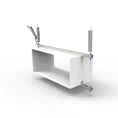
Cable Support System
What is Cable support system?
Cable support systems are infrastructures designed to securely and systematically fix and manage cables, widely used in construction, industrial, power, and telecommunications sectors. Their core functions include protecting cables from mechanical damage and environmental interference while facilitating maintenance and expansion.
Main Components
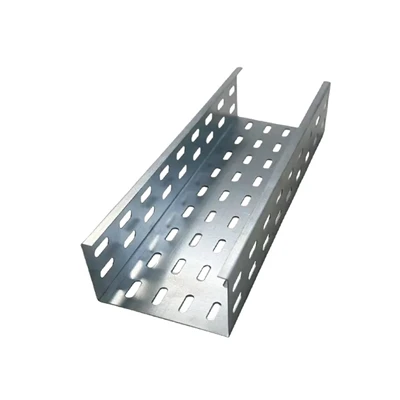
Cable Trays
Types: Ladder-type, trough-type, tray-type, and wire-mesh (suited for varying load and heat dissipation requirements).
Materials: Aluminum, epoxy-coated, fiberglass reinforced plastic, fire-resistant, hot-dip galvanized, polymer, pre-galvanized, stainless steel, zinc-aluminum-magnesium.
Applications: Horizontal/vertical routing of power and data cables.
Cable Brackets
Mounted on walls or columns to support single or multiple cables, commonly used in confined spaces or for localized reinforcement.
Cable Conduits
Metal (for EMI shielding) or PVC (cost-effective), providing protection against physical or chemical damage.
Raceways
Surface-mounted enclosed channels, ideal for office buildings or data centers.
Hangers/Hooks
Used for temporary suspension or lightweight cables (e.g., stages, temporary power supply).


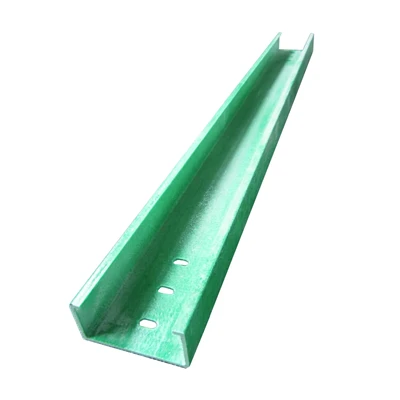
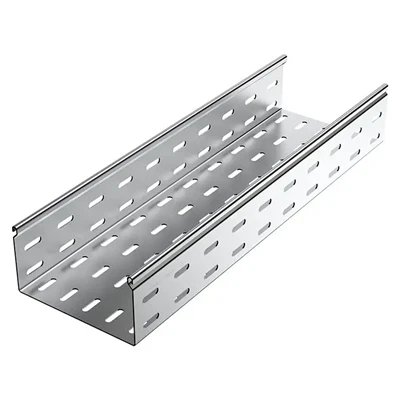

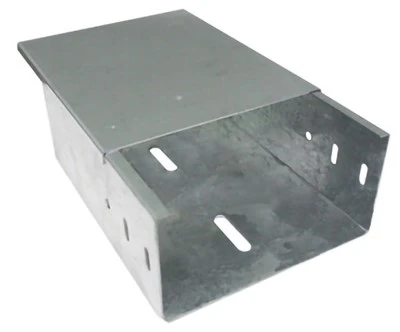




Benefits of Cable Tray Systems

Superior Cable Protection
Mechanical Protection: Galvanized steel/stainless steel construction resists impact, preventing crushing or bending
Environmental Isolation: Fully enclosed trough design provides dustproof, waterproof (IP54 rated), and rodent-proof protection
Safety Barrier: Fire-rated cable trays certified UL94 V-0 with ≥90-minute flame resistance
Smart Maintenance Management
Modular Design: Quick-release connectors reduce installation time by 30%
Visual Routing: Open mesh trays enable real-time cable status inspection
Expansion Readiness: 20% spare capacity pre-allocated for future upgrades

Types of Cable Trays

Cable tray
Modular metal channels (steel/aluminum) for open cable support. Ideal for industrial plants and data centers. Offers good ventilation and medium load capacity (300kg/m max). Easy to install and expand.
Cable Trucking
Fully enclosed protective channels (metal/PVC). Used in offices and hospitals where neat, protected wiring is needed. Provides dust/water proofing (IP54) and EMI shielding.


Cable Ladder
Heavy-duty open-frame system for large power cables. Handles extreme loads (150kg/m+) over long spans (6m). Perfect for power plants and oil rigs. Excellent heat dissipation.
cable Mesh
Lightweight flexible grid for easy cable management. Often used in data centers and telecom sites. Allows quick changes and good airflow. Simple tool-free installation.

Material Options for Cable Tray Systems
Epoxy-Coated
Galvanized steel trays with epoxy/polyester powder coating. Colorful, aesthetic, and moderately corrosion-resistant for indoor use. Coating is less durable; used in offices/malls.
Pre-Galvanized
Electro-galvanized steel (5-12μm zinc layer). Cost-effective but prone to white rust in humidity. Lifespan: 5-8 years outdoors.
Fire-Resistant
Steel trays with intumescent coating. Expand during fires, providing 30+ min protection (GB 8624 B1). Heavy and 50% pricier; for critical infrastructure.
Hot-Dip Galvanized
Steel dipped in 450°C zinc (≥65μm coating). Superior corrosion resistance, 20-30 year lifespan. Used in chemical plants/coastal areas.
Zinc-Aluminum-Magnesium
Zn+5%Al+3%Mg alloy coating. 3-5x more corrosion-resistant than HDG, self-healing scratches. 30% costlier; ideal for offshore/saline environments.
Stainless Steel
304/316 steel construction. High strength, acid-resistant, non-magnetic. 4-5x pricier than galvanized; for food/nuclear industries.
Aluminum Trays
Anodized aluminum alloy. Lightweight (1/3 steel weight), EMI-shielding. Lower load capacity; used in data centers.
Fiberglass Reinforced Plastic
Fiberglass-polyester composite. Insulating, pH-resistant (2-12). Brittle, UV-sensitive; for substations/water treatment.
Polymer
PVC/PE/PP material. Light, insulating, cheap. Low heat resistance (≤60°C); labs/cleanrooms.
What to Look for When Purchasing Cable Trays?

Next, consider cable weight and span. Heavy cables need thicker steel or reinforced trays. For long spans, use high-rigidity materials or reduce support spacing. Leave 20% extra capacity for future expansion. Modular designs improve installation efficiency, while open trays ease maintenance.

When purchasing cable trays, first consider the environment. For corrosive areas like chemical plants or coasts, choose hot-dip galvanized, zinc-aluminum-magnesium or stainless steel trays. Use aluminum or shielded trays in EMI-sensitive data centers. Select fire-resistant trays or fireproof-coated metal trays for fire-prone areas.

Finally, balance cost and quality. Use economical galvanized steel in normal areas and premium materials in critical zones. Though zinc-aluminum-magnesium costs more upfront, its long lifespan lowers lifetime costs. Always request salt spray and load test reports, and inspect supplier's previous projects.
Finishing Processes of Cable Tray
Galvanized Coatings The most widely used coating for cable trays is galvanizing. It is cost-effective, protects against a wide variety of environmental chemicals, and is self-healing if an area becomes unprotected due to cuts or scratches. Steel is coated with zinc through electrolysis by dipping it into a bath of zinc salts.
A combination of carbonates, hydroxides, and zinc oxides forms a protective film that safeguards the zinc itself. Resistance to corrosion is directly related to the thickness of the coating and the harshness of the environment.
Pre-Galvanized Pre-galvanized, also known as mill-galvanized or hot-dip mill-galvanized, is produced in a rolling mill by passing steel coils through molten zinc. These coils are then slit to size and fabricated.
Areas that are not normally coated during fabrication, such as cuts and welds, are protected by neighboring zinc, which acts as a sacrificial anode. During welding, a small area directly affected by heat may be left bare, but the same self-healing process occurs.
G90 requires a coating of 0.90 ounces of zinc per square foot of steel, or 0.32 ounces per square foot on each side of the metal sheet. According to A653/A653M-06a, pre-galvanized steel is generally not recommended for outdoor use or in industrial environments.
Hot-Dip Galvanized After the steel cable tray has been manufactured and assembled, the entire tray is immersed in a bath of molten zinc. This results in a coating on all surfaces, including edges, holes, and welds.
Coating thickness is determined by the length of time each part is immersed in the bath and the speed of removal. Hot-dip galvanizing after fabrication creates a much thicker coating than the pre-galvanized process, with a minimum of 3.0 ounces per square foot of steel or 1.50 ounces per square foot on each side of the sheet (according to ASTM A123, grade 65).

Installation and Maintenance of Cable Tray Systems
Installation Process
The first step in the installation process is to locate the area for the cable tray system, following the Issued For Construction (IFC) drawings. Next, prepare all materials and tools needed for the installation. Tools should be tested during this time to ensure they are functioning properly. After that, install the cable tray supports to ensure the stability of the system. Make sure there is enough space for adequate access for installation and maintenance. Connect cable tray fittings, sections, and raceways using bonding jumpers or mechanical connectors.
Installation Considerations
When installing wire cable trays, several factors must be considered to ensure optimal performance and safety, including:
● Load Capacity: The load capacity of wire cable trays depends on the material, size, and configuration of the tray. It is important to choose a tray that can support the weight of the cables and any additional accessories.
● Accessibility: Wire cable trays should be installed to allow for easy access and maintenance of cables. This may require the use of ladder racks, walkways, or other access points.
● Clearance Requirements: Wire cable trays should be installed with sufficient clearance from combustible materials, obstructions, and other hazards. This may require compliance with local building codes and regulations.
● Fire Protection: Wire cable trays can be installed with fire-resistant coatings or insulation to reduce the risk of fires and protect against the spread of flames.
● Grounding and Bonding: Wire cable trays should be properly grounded and bonded to ensure electrical safety and prevent potential hazards.
Maintenance Requirements
Proper maintenance of wire cable trays is crucial for their longevity and continued effectiveness in managing cables. Key maintenance tasks include:
● Regular Inspections: Conduct regular inspections of wire cable trays to identify any signs of damage, wear and tear, or corrosion. This includes checking for loose or damaged supports, fittings, or covers.
● Cleaning: Clean wire cable trays regularly to remove any accumulated dust, debris, or other contaminants that can interfere with proper ventilation and heat dissipation.
● Lubrication: Lubricate any moving parts or hinges in wire cable trays to ensure smooth operation and prevent rust or corrosion.
● Cable Management: Manage cables within wire cable trays to prevent overcrowding or tangling, which can cause damage or reduce efficiency.

To ensure the cable tray system operates optimally, perform several checks to confirm everything is in place. Verify that materials conform to the Issued For Construction (IFC) drawings, and conduct visual inspections of the cable tray rung space, height, length, and width. Check supports and braces to ensure they can handle the weight of the cable and tray.
Additionally, ensure that the cable tray installation does not interfere with other equipment or services, and verify that connectors and joints are properly installed. To confirm the cable tray system is sturdy, secure hold-down clamps in the necessary locations and ensure that bolts, nuts, and the structural system are tightly fixed
Wire cable trays have a wide range of applications across various industries. Some of the most common uses include:
● Industrial Facilities: Wire cable trays are commonly used in industrial facilities to manage and support large amounts of electrical cables and wires. They are particularly useful in areas with a high risk of exposure to harsh environmental conditions, such as dust, moisture, or chemicals.
● Commercial Buildings: Wire cable trays are widely used in commercial buildings to route and organize cables for lighting, HVAC, security, and communication systems. They can be installed in ceilings, walls, or floors, depending on the specific needs of the building.
● Telecommunications and Data Centers: Wire cable trays are essential in telecommunications and data centers, where large amounts of cables must be managed efficiently and safely. They can be used to route and organize cables for servers, routers, switches, and other equipment.
● Residential Homes: Wire cable trays can also be used in residential homes to manage and organize cables for home automation, entertainment systems, and other electrical devices.

Our Factory


Suzhou SCHHOW Electric Technology Co., Ltd. is a high-tech enterprise specializing in the research and manufacturing of cable tray and seismic support systems. The company has a modern production base and advanced production equipment. We focus on providing high-quality cable support solutions for fields such as power engineering, intelligent buildings, rail transit, and industrial plants. Our products include cable trays and various seismic supports and hangers. With innovative design concepts, exquisite manufacturing techniques, and comprehensive after-sales service, we have received unanimous praise from customers. We insist on survival through quality and development through innovation, and are committed to providing customers with safe, reliable, and cost-effective cable management system solutions.
FAQ
As one of the leading cable tray manufacturers and suppliers in China, we warmly welcome you to wholesale cable tray in stock here and get free sample from our factory. All customized products are with high quality and competitive price.
wire support truck, wire support wagon, cable support truck