



Fixture
Suzhou SCHHOW Electrical Technology Co., Ltd.: Your Professional Fixture Manufacturer!
Suzhou SCHHOW Electrical Technology Co., Ltd. is a high-tech enterprise specializing in the R&D, production, and sales of cable trays, seismic brackets, and other electrical equipment. We provide high-quality solutions for industrial buildings, data centers, and new energy projects. The company's main products include zinc aluminum magnesium cable tray, cable mesh, bracket parts series, vascular bundle, channel steel base, fixture, etc.


Why choose us?
Professional team
With advanced manufacturing facilities and a professional team, SCHHOW delivers customized cable trays (trough, ladder, tray, grid types) and seismic supports for power, communications, and construction industries.
One-stop solution
We provide one-stop solutions-from product selection to installation-ensuring safety and reliability. Moving forward, we will continue to invest in R&D to drive innovation in the electrical equipment industry.
Production equipment
To produce our products, we use a range of equipment. This includes one automatic one-time molding production line, one automatic electrostatic powder spraying line, two shearing machines, two bending machines, five punching machines, and two welding machines.
Product application
Our products are widely used in various applications. They can be found in schools, residential buildings, hospitals, office buildings, parking lots, industrial plants, comprehensive shopping malls, and nuclear power plants. They are commonly used for laying lines in mechanical and electrical equipment, fire engineering, and weak current engineering.
Benefits of Fixture
Better productivity and efficiency
Because the two tools eliminate a workpiece’s alignment, a machine’s idle time is reduced, which improves productivity and efficiency.
01
Decreases manufacturing cost
Their use decreases the product manufacturing cost while increasing productivity and quality. We have article discussing the CNC machining cost, and you can see it.
02
Improvement in quality of product
They remove the need for machinists to manually set parts apart during operation. Therefore, this removes the human chance of creating errors and improves quality.
03
Easy to manufacture complex and heavy tools
They enable machinists to manufacture heavy and complex-shaped parts easily. This is because the two tools hold the workpiece rigidly during the machining operation.
04
Improves safety
Since the jig and fixture are directly involved in the workpiece and machine, they remove the involvement of humans, thereby increasing safety.
05
Hanging equipment and fixtures
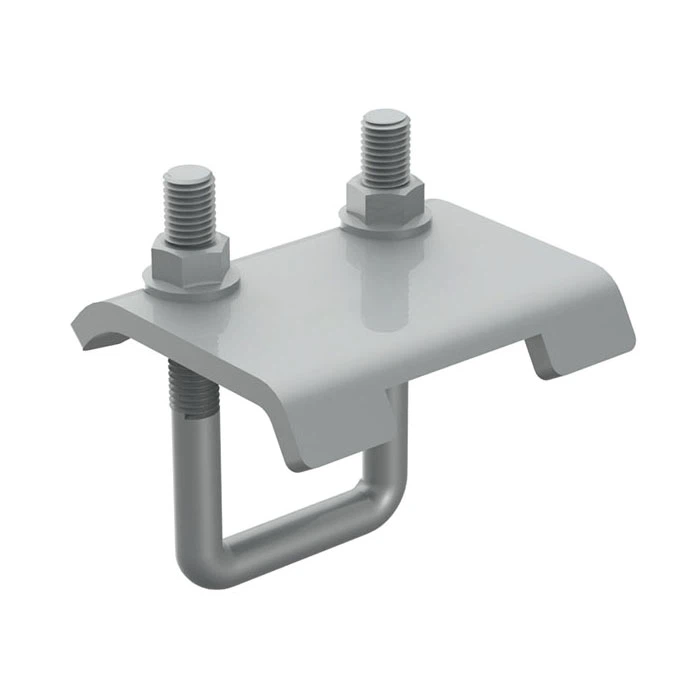
Fixtures are often used to suspend lighting fixtures, electrical conduits, cable trays, HVAC equipment, and other components from overhead beams or structures.
Supporting piping systems
Fixtures can be used to secure pipes and tubing to beams, providing a reliable and adjustable support system for plumbing, process piping, or HVAC systems.
Installing overhead signage and displays
In retail and commercial spaces, fixtures can be used to hang signs, banners, and displays from ceiling beams, providing a clean and straightforward installation method.

Rigging and lifting applications
Fixtures can be used in combination with lifting equipment to create anchor points for hoisting heavy objects or materials.
Stage and theater rigging
In the entertainment industry, fixtures are commonly used to suspend lighting, audio, and stage equipment in theaters and concert venues.
Scaffolding and temporary structures
Fixtures can be used to connect scaffolding components, creating secure and adjustable connections.
Fall protection systems
Fixtures are used in the construction industry to create anchor points for fall protection systems, such as harnesses and lanyards, to ensure the safety of workers at heights.
Packaging and Shipping


Certifications

FAQ
As one of the leading fixture manufacturers and suppliers in China, we warmly welcome you to wholesale fixture in stock here and get free sample from our factory. All customized products are with high quality and competitive price.
Steel Structure Beam Clamp, fixture, Embedded Beam Clamp