



Hinge
Hinges are flexible, jointed devices that attach to swinging parts, functioning as mechanical bearings to connect two moving objects or points. They enable relative movement between the objects while restricting movement to a single angle, limiting the range of motion to that specific plane.
Advantages of Hinge
Exceptional durability and longevity
One of the most significant advantages of hinges is their outstanding durability. Made from high-grade materials such as hardened steel, stainless steel, or brass, these hinges are designed to withstand severe stresses without bending, breaking, or wearing out quickly. This is especially important in industrial and commercial environments where doors or gates are subject to frequent use and heavy loads.
Enhanced load-bearing capacity
Hinges are specifically engineered to manage higher weight loads compared to standard hinges. These hinges distribute the weight and stress evenly across the hinge and frame, preventing sagging and ensuring the door continues to operate correctly and efficiently. The robust nature of these hinges means they can also handle the additional stress from high wind speeds or external pressures, which might otherwise compromise the door’s integrity.
Versatility in application
The versatility of hinges allows them to be used in a variety of settings, adapting to different functional and aesthetic requirements. Whether it's a gate hinge that needs to match the rustic look of a garden or a polished stainless steel hinge that complements a modern, high-end facility, there is a hinge suitable for virtually any scenario.
Reduced maintenance
Many are designed with self-lubricating properties or are made from corrosion-resistant materials that withstand harsh conditions without rusting or corroding. This resilience contributes to a longer life span and less frequent need for maintenance, repairs, or adjustments, ensuring consistent performance without additional costs or labor.
Improved safety
For facilities where safety is paramount, such as schools, hospitals, and industrial sites, hinges help ensure that doors function reliably and remain in place even under duress.


Why Choose Us
Our factory
Our company is a professional manufacturer of electrical equipment products such as cable trays and seismic brackets. It is also a comprehensive electrical technology solution service provider that integrates research and development, production, sales, installation and after-sales support services.
Professional team
Our company has a professional technical team including (quality management team, professional design team, technical research and development team), constantly upgrading product technology, optimizing product quality, and having a talent reserve at a leading level in the industry.
Advanced equipment
Our company has leading domestic product production technology and advanced mechanical equipment, reform and innovation, continuous improvement, and constantly breaks through the original business pattern, striving to explore new business markets.
Excellent service
Integrity is rooted in society, quality creates the future, and Suzhou Shihao Technology's service capabilities and business scope continue to improve, forming a standardized, professional, and comprehensive service system.
Butt hinge
The most common type of hinge used on doors is the butt hinge. It’s so named because the two leaves are mortised into the door and frame, allowing the two to butt up to each other. A pin, that may or may not be removable, joins the two leaves (or plates) at the hinge’s knuckles.
Hydraulic Hinges
Hydraulic hinges are designed to provide a soft and smooth closing action for your furniture. They feature built-in hydraulic dampers that control the speed and force of the closing action, which helps to prevent slamming and damage to the furniture.
Ball bearing hinge
The ball bearing hinge has lubricated bearings between the hinge’s knuckles to reduce friction caused by heavy doors. These durable hinges are ideal for heavy entryway doors or for doors that are in frequent use.
Spring-loaded butt hinge
To assure a door closes behind you, use a spring-loaded butt hinge. These hinges resemble the butt hinge, but they typically have a spring attached to the pin. This ensures that doors—usually screen doors—will close automatically.
Barrel hinge
For specialty woodworking projects, like a box or small cabinet, use the barrel hinge. This small hinge is ideal for projects where you want the hinge concealed from view. To install, drill holes that will accommodate the barrels and insert the hinge. Typically made of brass, barrel hinges are not designed for load-bearing applications.
Concealed hinge
Designed not to be seen, concealed hinges don’t detract from the beauty of fine furniture or cabinetry. These invisible hinges can be self-closing, and they can also be adjusted with the aid of a couple screws.
Offset hinge
Have you ever tried to move a couch through a doorway, only to find that the doorway is half an inch too narrow? That’s where an offset hinge helps. This specialty hinge allows you to swing the door away from the doorframe, widening the opening up to 2 inches.
Overlay hinge
Some hinges add thickness to the cabinetry. To reduce that thickness, consider the overlay hinge. This type of hinge folds back on itself, allowing the door to lay flush against the face of the cabinet.
Strap hinge
You’ll often find heavy-duty strap hinges outside on gates. Inside, designers use smaller versions of strap hinges on cabinets to achieve a rustic feel. The long hinge leaves (or straps) add extra support for heavy gates or barn doors.
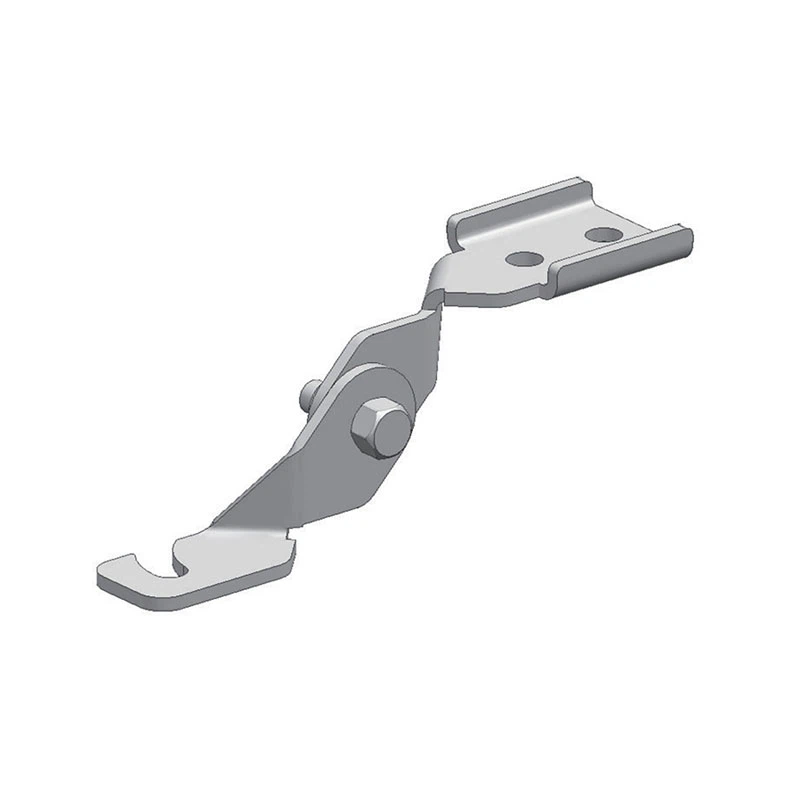
Hinges are used widely in all areas of life from medical, industries, military to agriculture.
Hinges are used in medical fields in heavy lead lined doors that are mainly radiation and neutron shielding, vault doors and medical equipment.
Research and development field uses hinges for heavy doors to protect the laboratories from radiation contamination.
Military and defense areas use hinges for armored vehicles, carriers, and heavy doors of secured areas.
Hinges are widely used in households and buildings for doors, windows, cabinets, TV racks, and in many other household items.
Industries such as petroleum or gas facilities use hinges in their gates to facilitate its movement.
Hinges are also widely used in illuminating panels such as LCD screens, laptop screens and illuminating wall cladding.
Many marine devices and ships use hinges in their doors as well for loading and unloading of heavy doors with ease.
Agricultural machinery and construction sites also used hinges of different types in their gates and machines.
Components of Hinge
Leaf
A leaf is a moving plate on a hinge that rotates with the workpiece to which it’s connected. With the exception of flag hinges, most hinges contain two leafs. These rectangular-shaped plates join a workpiece with another workpiece or surface. Leafs typically have holes to support screws or fasteners.
Knuckle
Also known as a loop or node, a knuckle is a hollow tube that runs down the middle of a hinge. The knuckle isn’t actually a separate part. Rather, it’s created when a hinge’s leafs are joined together. The leafs have protruding ridges that interlock together when joined, thereby creating a knuckle.
Pin
The pin, also called a pintle, is a cylindrical rod or shaft that runs through the knuckles of a hinge, connecting the two leaves and allowing them to pivot around it. It is typically made of steel or another strong metal and is precisely machined to fit snugly into the knuckles of the hinge.
Stainless steel
Stainless steel is both strong and durable. Steel’s strength can be attributed to it being an alloy composed of iron, carbon, and other elements. This material is also cheap, which makes it a popular choice for hinges.
Brass
Brass is another popular hinge material. It is rust resistant and features a high quality appearance that maintains its finish for many years. Many decorative hinges are made from brass for this reason.
Aluminum
Aluminum lacks the strength of steel. However, it tends to be much lighter. This makes it great for applications where multiple hinges are installed. Aluminum is also rust-resistant, which means it works well in outdoor settings.
Bronze
Bronze hinges offer strength and are also highly ductile. They offer great protection against corrosion and can withstand frictional forces without corroding. Bronze hinges are great for outdoor gates, cabin lockers, and for a variety of marine applications.

How to Maintain Hinge
Regular Cleaning
Regular cleaning is the foundation of effective hinge maintenance:
● Remove Dirt and Debris: Use a soft-bristled brush or a damp cloth to remove dust, dirt, and debris from the hinge mechanism.
● Dry Thoroughly: Wipe the hinge dry with a clean, dry cloth to prevent moisture buildup and corrosion.
lubricating
Proper lubrication is essential for reducing friction and ensuring
smooth hinge operation:
● Choose the Right Lubricant: Use a silicone-based lubricant or a high-quality machine oil specifically formulated for hinges.
● Apply Lubricant Liberally: Apply a small amount of lubricant to the hinge pin and pivot points, ensuring thorough coverage.
● Distribute Evenly: Open and close the door several times to distribute the lubricant evenly across the hinge mechanism.
● Remove Excess Lubricant: Wipe away any excess lubricant with a clean cloth to prevent accumulation and dripping.
Tightening Loose Screws: Ensuring Stability
Loose screws can compromise hinge stability and lead to misalignment or malfunction:
● Inspect Screws Regularly: Periodically check for loose screws and tighten them using a screwdriver.
● Ensure Proper Tightening: Ensure that screws are securely fastened to maintain proper hinge function and stability.
Signs of Wear: Inspection and Remediation
Regular inspection helps identify signs of wear and address them promptly:
● Inspect for Rust or Corrosion: Check for signs of rust, corrosion, or visible damage on hinges.
● Remove Rust or Corrosion: Use a rust remover or a mixture of vinegar and baking soda to remove rust or corrosion.
● Consider Replacement: If damage is severe or irreparable, consider replacing the hinge to maintain door integrity and security.
Protection from Harsh Conditions
Protecting hinges from harsh environmental conditions helps prevent premature deterioration:
● Choose Corrosion-Resistant Hinges: Use corrosion-resistant hinges made of stainless steel or brass for outdoor or moisture-prone environments.
● Apply Protective Coating: Apply a protective coating or set to shield hinges from moisture, UV rays, and other elements.
How to Choose a Hinge
Environment
The first thing to consider when choosing a hinge is the environment it will be placed in. A hinge that will be installed on an outdoor gate should be able to withstand the elements. This is especially important if you live in a region with high humidity.
01
Type
Next you should consider the hinge type you require. Hinges come in many different forms.
02
Holes
Most hinge types are installed using screws through their holes. When choosing the right hinge for your needs, you should consider how many holes it contains. Many hinges feature four holes, which allow you to install them fairly easily.
03
Hinge finish
All hinges come with a certain type of finish. This is important to consider as the hinge finish may affect your cabinet or doorway’s appearance in certain cases.
04
Material
The material a hinge is made from can affect its weather durability. However, it can also affect its strength and resilience in other situations.
05
Our Factory
Suzhou SCHHOW Electrical Technology Co., Ltd. was established in 2018 and is located in Suzhou, Jiangsu Province, known as the "Jiangnan Water Town". It is a professional manufacturer of electrical equipment products such as cable trays and seismic brackets. It is also a comprehensive electrical technology solution service provider that integrates research and development, production, sales, installation and after-sales support services.
The company has a complete organizational structure, strong technical strength, and complete facilities and equipment. It has a professional research and development, sales, and after-sales service team, with 8 years of intensive cultivation in the industry. Shihao Technology adheres to the business philosophy of "integrity based on society, quality creating the future", introduces international advanced technology, innovatively develops and enriches product categories, and tirelessly pursues excellent quality to meet market demand. So far, the company's products have been widely used in many fields such as construction, chemical industry, textile, machinery, shopping malls, hospitals, residential areas, etc. By relying on continuous improvement in craftsmanship, quality, and high-quality services, they have received unanimous praise from customers and gradually achieved an outstanding leading position in the industry.


FAQ