


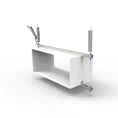

Steel structure beam clamps are mechanical devices designed to attach and secure beams, pipes, conduits, and other components to structural steel beams or columns. These clamps provide a secure connection, allowing for the safe and stable installation of equipment and structures.
Advantages of Steel Structure Beam Clamp
Easy installation
One of the key advantages of a steel structure beam clamp is its ease of installation. It typically features a simple design that allows for quick and hassle-free attachment to beams or other support structures. With just a few bolts or screws, the clamp can be securely fastened, saving time and effort during the installation process.
Versatility
Steel structure beam clamps are highly versatile and can be used in a wide range of applications. They are commonly used in electrical installations to support conduit, cable trays, and other wiring systems. Additionally, they are often utilized in hvac systems to secure ductwork and piping. Their adaptability makes them a valuable tool for contractors and builders working on various projects.
Strong and durable
Durability is a key factor in construction tools, and steel structural beam clamps are no exception. These clamps are usually made of steel materials to ensure their strength and longevity. They are designed to withstand heavy loads and provide secure connections, even in demanding environments.
Adjustable and customizable
Another advantage of steel structure beam clamp is their adjustability and customization options. Many clamps feature adjustable bolts or screws, allowing for precise positioning and alignment. This adjustability ensures a proper fit and enhances the overall stability of the installation. Additionally, some clamps offer customization options such as different sizes or configurations to accommodate specific project requirements.
Cost-effective solution
Using steel structure beam clamp can be a cost-effective solution for construction projects. These clamps are relatively affordable compared to other support systems, making them a budget-friendly choice. Additionally, their easy installation and versatility contribute to time and labor savings, further reducing project costs.
Safety and reliability
Safety is always a top priority in construction, and steel structure beam clamp provide a reliable and secure solution. By securely attaching strut channels to beams or other structural elements, these clamps ensure the stability and integrity of the installed systems. This reliability minimizes the risk of accidents or failures, providing peace of mind to contractors and building owners.
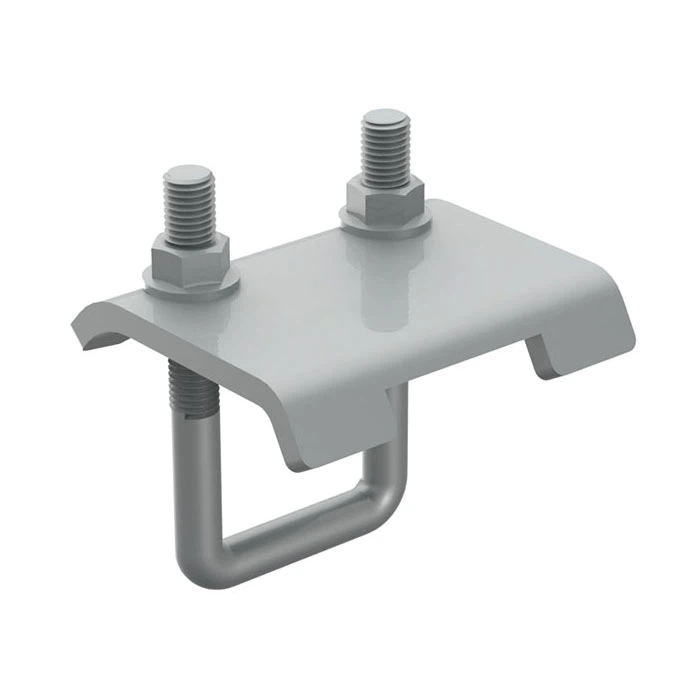
Our fixtures are made using the latest technology and are built to last.
We are committed to revitalizing the company's development by science and technology, and strive to develop new Embedded Beam Clamp.
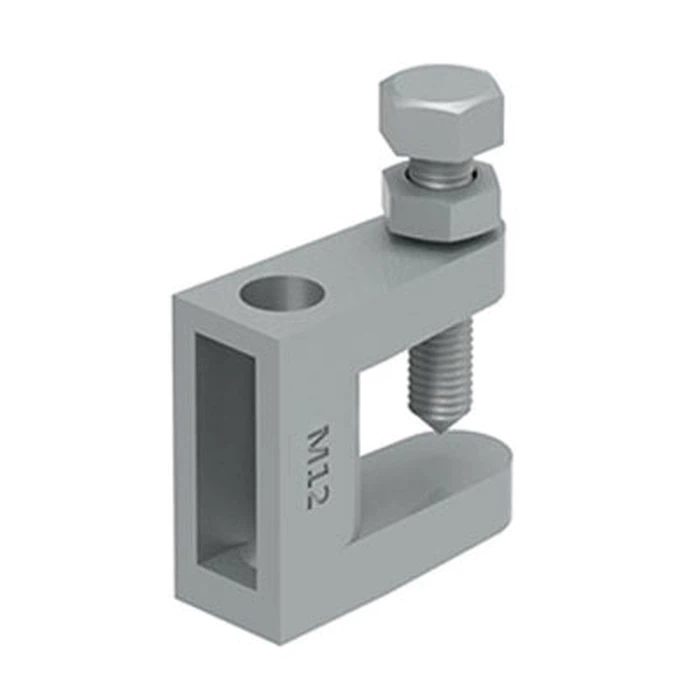
We have a dedicated team of experts that ensure our Fixture products are of the highest quality.
Our company is known for its fast and reliable service.
Our fixtures are made using the latest technology and are built to last.
We are committed to revitalizing the company's development by science and technology, and strive to develop new Embedded Beam Clamp.
Why Choose Us
Our factory
Our company is a professional manufacturer of electrical equipment products such as cable trays and seismic brackets. It is also a comprehensive electrical technology solution service provider that integrates research and development, production, sales, installation and after-sales support services.
Professional team
Our company has a professional technical team including (quality management team, professional design team, technical research and development team), constantly upgrading product technology, optimizing product quality, and having a talent reserve at a leading level in the industry.
Advanced equipment
Our company has leading domestic product production technology and advanced mechanical equipment, reform and innovation, continuous improvement, and constantly breaks through the original business pattern, striving to explore new business markets.
Excellent service
Integrity is rooted in society, quality creates the future, and Suzhou Shihao Technology's service capabilities and business scope continue to improve, forming a standardized, professional, and comprehensive service system.
Window bracket beam clamp
This is a simple style of beam clamp used for fitting strut channel to the underside of steel beams and girder flanges. These clamps have an opening or window cut out of the side of them into which the strut channel is inserted. A bolt then passes through the top of the clamp to secure it the girder. These window bracket beam clamps are ideal for suspending channel support strut from main steel frameworks in buildings.
C-clamp style beam clamp
C-Clamp beam clamps consist of a robust C shaped metal bracket with a metal set screw running down the centre. The bracket is fitted around the beam and is secured by tightening a set-screw or lock nut between the jaw base and the beam flange. C-clamps are available in a range of sizes and are attached to the top or bottom of metal beams, purlins, channel or angle iron.
Universal beam clamps
Universal beam clamps are designed to accommodate hook-mounted hoist or load blocks loads and are ideal for lifting, holding and positioning steel beams for construction. These beam clamps have adjustable jaws which are clamped around the beam and secured using a central threaded spindle. A locking device ensures a secure and safe connection to the beam. The design of universal beam clamps helps reduce flange stress by applying the load inside of the flange edge. The wide jaws of these beam clamps enable them to fit a wide range of flange widths and beams
Electrical systems
Steel structure beam clamps are commonly used to support conduit and electrical cables, ensuring proper routing and organization of wiring systems.
Plumbing systems
Steel structure beam clamp help secure pipes and tubing, ensuring they remain in place and preventing leaks or damage caused by movement.
HVAC systems
Steel structure beam clamp provide a stable support structure for HVAC ductwork, allowing for efficient and safe installation.
Mechanical systems
From supporting heavy machinery to securing equipment, steel structure beam clamp play a vital role in the installation and maintenance of mechanical systems.
Designation of your beams
These beam clamps are designed for structural steel-to-steel connections. Meaning you will likely have either a w-beam, s-beam, or angle connecting to a w-beam, s-beam, or angle. Having the designation of the two beams you are clamping together will give you all the dimensions needed for selecting the right clamps.
If you are unsure or do not have the designation of your beams, there are two key dimensions needed for selecting a clamp; flange width and flange thickness.
Given that there is no welding required when utilizing these beam clamps, oftentimes for connections a location plate is needed. A location plate is a steel plate between the two beams that have holes drilled in them for the bolt assemblies to pass through. Having the beam's flange widths will inform the engineer of the exact hole spacing required for your location plate.
The flange thickness is crucial for the clamp selection. The design of the beam clamps is to lie flat on the flange of the beam. Each beam clamp comes with a "tail" that helps prop up the clamp to match the height of the flange. However, shims or packing pieces are typically required to assist in the clamp lying flush.
Loading information
With any steel-to-steel connection, these beams will obviously serve a purpose. That purpose will have forces applied to the connection, possibly in several different ways and directions. It is imperative that you have that loading information in mind before picking the components.
Each clamp is tested and pre-engineered to specific tensile and shear loads. This load, shown in the catalog, is per clamp. Meaning, if you have a connection that has 4 clamps/bolt assemblies, you can multiply those loads by 4.
Orientation of the beam connection
This seems like a no-brainer, however, it is important to know the orientation of the two beams you are connecting to each other. The most common orientation being perpendicular or parallel. You can fix the two beams together at any angle or pitch, you'll just need to have those specified for additional engineering.
Also, most connections have the two beams flush against each other. If that is not the case, knowing the spacer or gap you need between the two beams would be required as well.
Safety Precautions When Using the Steel Structure Beam Clamp
Working safely is of the utmost importance while using beam clamps. Adhering to these safety protocols will help maintain a risk-free workplace:
Load capacity
Adhere to the specified load capacity of the beam clamp and never exceed its rated limit.
Regular inspections
● Periodically inspect beam clamps for signs of wear, damage, or malfunction.
● Replace any defective components promptly to maintain the integrity of the system.
Proper training
● Ensure that operators and workers are adequately trained in the use of beam clamps and lifting equipment.
● Emphasize the importance of following proper procedures and safety guidelines.
Secure attachment
Double-check the attachment of loads to beam clamps to prevent accidental disengagement.
Avoiding side loading
Use beam clamps only for vertical lifts and avoid side loading, as this can compromise their stability.
Prepare the work area
Clear the work area of debris and ensure the girders are clean and free from contaminants.
Position the frame plates
Carefully align and support the steel girders in the desired configuration, ensuring the frame plate is placed evenly in between.
Select the right beam clamps
Choose the appropriate beam clamps based on load capacity and configuration requirements.
Attach the beam clamps
Securely fasten the beam clamps to each girder using the provided fasteners, ensuring even distribution of load. Beam clamps should be secured one at a time, making sure that they are equally distributed on either side. To ensure an even distribution of weight, do not attach two beam clamps on one side before fastening one to the opposite side.
Verify alignment
Before tightening, make sure each clamp is aligned properly. The front and back edges of the clamps should run parallel with the edge of the steel sections they're affixed to.
Tighten the clamps
Now once everything is aligned properly, it is time to tighten the bolt on each of the four clamps. Make sure to hold the head of the bolt with a standard wrench, while tightening the nut with a torque wrench. Only tighten to the recommended torque appropriate for the angle to which you're attaching the girders to avoid damaging the clamps or compromising the integrity of the connection.
Our Factory
Suzhou SCHHOW Electrical Technology Co., Ltd. was established in 2018 and is located in Suzhou, Jiangsu Province, known as the "Jiangnan Water Town". It is a professional manufacturer of electrical equipment products such as cable trays and seismic brackets. It is also a comprehensive electrical technology solution service provider that integrates research and development, production, sales, installation and after-sales support services.
The company has a complete organizational structure, strong technical strength, and complete facilities and equipment. It has a professional research and development, sales, and after-sales service team, with 8 years of intensive cultivation in the industry. Shihao Technology adheres to the business philosophy of "integrity based on society, quality creating the future", introduces international advanced technology, innovatively develops and enriches product categories, and tirelessly pursues excellent quality to meet market demand. So far, the company's products have been widely used in many fields such as construction, chemical industry, textile, machinery, shopping malls, hospitals, residential areas, etc. By relying on continuous improvement in craftsmanship, quality, and high-quality services, they have received unanimous praise from customers and gradually achieved an outstanding leading position in the industry.


FAQ
Hot Tags: steel structure beam clamp, China steel structure beam clamp manufacturers, suppliers, factory, fixture, Steel Structure Beam Clamp, Electrical Steel Beam Fixture, Embedded Beam Clamp


