


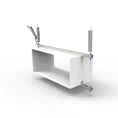


Seismic support systems are crucial components in modern construction, designed to protect various building services from the destructive forces of earthquakes. As a supplier of seismic support series, I understand the importance of proper maintenance to ensure the long - term effectiveness and reliability of these systems. In this blog, we will delve into the maintenance requirements for the seismic support series.
Understanding the Seismic Support Series
Before discussing maintenance, it's essential to understand the different types of seismic support products in our series. Our offerings include Lateral Seismic Restraint For Ductwork, Lateral & Longitudinal Seismic Restraint For Cable Trays, Lateral & Longitudinal Seismic Restraint For Pipes, Lateral Seismic Restraint For Pipes, and Lateral & Longitudinal Seismic Restraint For Ductwork. These products are engineered to provide stability and protection to ductwork, cable trays, and pipes during seismic events.
General Maintenance Requirements
Visual Inspections
Regular visual inspections are the cornerstone of seismic support system maintenance. These inspections should be carried out at least annually, or more frequently in high - risk areas or facilities with strict safety requirements. During a visual inspection, the following aspects should be checked:
- Physical Damage: Look for signs of cracks, bends, or corrosion on the support components. Any damage can compromise the strength and integrity of the seismic support system. For example, rust on metal braces can weaken the structure over time, reducing its ability to withstand seismic forces.
- Loose Connections: Ensure that all bolts, nuts, and welds are tight. Loose connections can cause the support to shift or fail during an earthquake. Check for any signs of movement or play in the connections.
- Alignment: Verify that the seismic supports are properly aligned with the supported systems. Misaligned supports may not function as intended and can lead to uneven stress distribution during an earthquake.
Load Capacity Checks
The load capacity of seismic support systems can be affected by various factors, such as changes in the supported system, environmental conditions, or the aging of materials. Periodic load capacity checks should be performed to ensure that the supports can still handle the required loads.


- Initial Design Review: Review the original design documents to understand the intended load capacity of the seismic support system. This information will serve as a baseline for subsequent checks.
- On - site Testing: In some cases, on - site testing may be necessary to determine the current load capacity of the supports. This can involve using specialized equipment to measure the forces and stresses on the supports under simulated or actual conditions.
Environmental Considerations
The environment in which the seismic support system is installed can have a significant impact on its maintenance requirements.
- Corrosive Environments: In areas with high humidity, saltwater exposure, or chemical contaminants, corrosion can be a major issue. Protective coatings should be inspected regularly and reapplied as needed to prevent corrosion of the support components.
- Temperature Extremes: Extreme temperatures can cause expansion and contraction of materials, which may lead to stress on the seismic support system. Check for any signs of thermal damage, such as warping or cracking, and ensure that the supports are designed to accommodate temperature variations.
Specific Maintenance for Different Seismic Support Products
Ductwork Seismic Supports
- Duct Integrity: In addition to checking the seismic support components, inspect the ductwork itself for any signs of damage or leakage. Damaged ductwork can affect the performance of the seismic support system by altering the load distribution.
- Insulation: If the ductwork is insulated, check the insulation for any signs of damage or displacement. Damaged insulation can reduce the energy efficiency of the HVAC system and may also affect the performance of the seismic supports.
Cable Tray Seismic Supports
- Cable Condition: Inspect the cables in the cable trays for any signs of damage, such as fraying or breakage. Damaged cables can pose a safety hazard and may also affect the performance of the seismic support system.
- Tray Alignment: Ensure that the cable trays are properly aligned with the seismic supports. Misaligned trays can cause uneven stress on the supports and increase the risk of failure during an earthquake.
Pipe Seismic Supports
- Pipe Leakage: Check the pipes for any signs of leakage. Leaking pipes can not only cause water damage but also affect the load capacity of the seismic support system.
- Pipe Movement: Monitor the pipes for any signs of movement or settlement. Excessive pipe movement can put additional stress on the seismic supports and may lead to damage.
Documentation and Record - Keeping
Proper documentation is essential for the maintenance of seismic support systems. Keep detailed records of all inspections, maintenance activities, and any repairs or replacements that have been made. This documentation will not only help in ensuring that the maintenance requirements are met but also provide valuable information in the event of an earthquake or other emergency.
- Inspection Reports: Include the date of the inspection, the inspector's name, the findings of the inspection, and any recommendations for maintenance or repair.
- Maintenance Logs: Record all maintenance activities, including the type of maintenance performed, the date, and the parts replaced.
- Repair and Replacement Records: Keep records of any repairs or replacements made to the seismic support system, including the reason for the repair, the parts used, and the cost.
Training and Education
Proper training and education are crucial for the effective maintenance of seismic support systems. Ensure that the personnel responsible for inspecting and maintaining the systems are properly trained and have a good understanding of the seismic support products and maintenance requirements.
- Product Training: Provide training on the specific seismic support products in our series, including their installation, operation, and maintenance.
- Safety Training: Emphasize the importance of safety during inspection and maintenance activities. Ensure that the personnel are aware of the potential hazards associated with working on seismic support systems and are trained to use the appropriate safety equipment.
Importance of Regular Maintenance
Regular maintenance of seismic support systems is not only a legal requirement in many areas but also a critical safety measure. A well - maintained seismic support system can significantly reduce the risk of damage to building services, such as ductwork, cable trays, and pipes, during an earthquake. This helps to protect the occupants of the building, minimize downtime, and reduce the cost of repairs and restoration.
Conclusion
As a supplier of seismic support series, I am committed to providing our customers with high - quality products and comprehensive maintenance guidance. By following the maintenance requirements outlined in this blog, you can ensure that your seismic support systems remain in optimal condition and continue to provide reliable protection against seismic events.
If you are interested in our seismic support series or have any questions about maintenance, please feel free to contact us for procurement and further discussions. Our team of experts is ready to assist you in finding the best solutions for your specific needs.
References
- Seismic Design Manuals from relevant building and construction industry standards organizations.
- Manufacturer's installation and maintenance guides for seismic support products.
- Research papers on the performance and maintenance of seismic support systems in earthquake - prone areas.