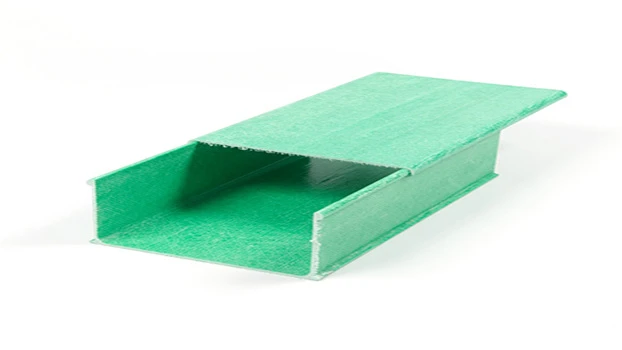



The pultrusion process is a continuous molding technology used to produce high-strength, lightweight fiber-reinforced composite profiles (e.g., fiberglass, carbon fiber). It is particularly suitable for manufacturing corrosion-resistant, insulating, lightweight, and mechanically superior cable trays, offering significant advantages in harsh environments such as chemical plants, marine settings, and power facilities. Below are the key aspects of pultrusion in cable tray manufacturing.
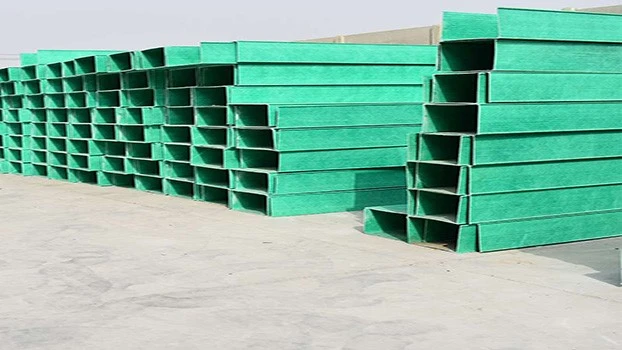
Core Steps of the Pultrusion Process
Fiber Reinforcement Preparation
Materials: Fiberglass (most common), carbon fiber, or basalt fiber, typically supplied as yarn, mat, or fabric.
Resin Impregnation
Fibers are saturated in a resin bath (e.g., unsaturated polyester, vinyl ester, or epoxy) for complete coating.
Preforming and Mold Shaping
Impregnated fibers pass through a preforming die to remove air bubbles, then enter a heated metal mold for curing, forming the tray's specific cross-section (e.g., ladder-type, trough-type).
Continuous Pulling and Cutting
The cured profile is pulled by a traction machine and cut to standard lengths (e.g., 6-meter segments).
Advantages of Pultruded Cable Trays
High Strength-to-Weight Ratio
Reinforced fibers provide high load capacity while weighing only 1/4–1/3 of steel trays.
Corrosion Resistance
Resin matrix resists acids, alkalis, salt spray, and humidity, requiring no maintenance and offering a lifespan of 20+ years.
Electrical Insulation
Non-conductive material, ideal for EMI-sensitive or explosive environments (e.g., petrochemical plants, substations).
Design Flexibility
Customizable cross-sections, colors (via pigment additives), and fire ratings (e.g., flame-retardant resins).