




Hey there! As a supplier of cable tray accessories, I often get asked about the materials these accessories are usually made of. So, I thought I'd write this blog to share some insights.
Steel
One of the most common materials for cable tray accessories is steel. Steel is a popular choice because it's strong and durable. It can handle a lot of weight, which is crucial when you're dealing with cables. Whether it's a heavy - duty industrial setting or a commercial building, steel cable tray accessories can do the job.
There are different types of steel used. Hot - dipped galvanized steel is a favorite. The galvanization process involves coating the steel with a layer of zinc. This zinc layer acts as a protective shield, preventing rust and corrosion. In environments where there's a lot of moisture, like near the coast or in basements, hot - dipped galvanized steel cable tray accessories are a great option. They can last for a long time without getting damaged by the elements.
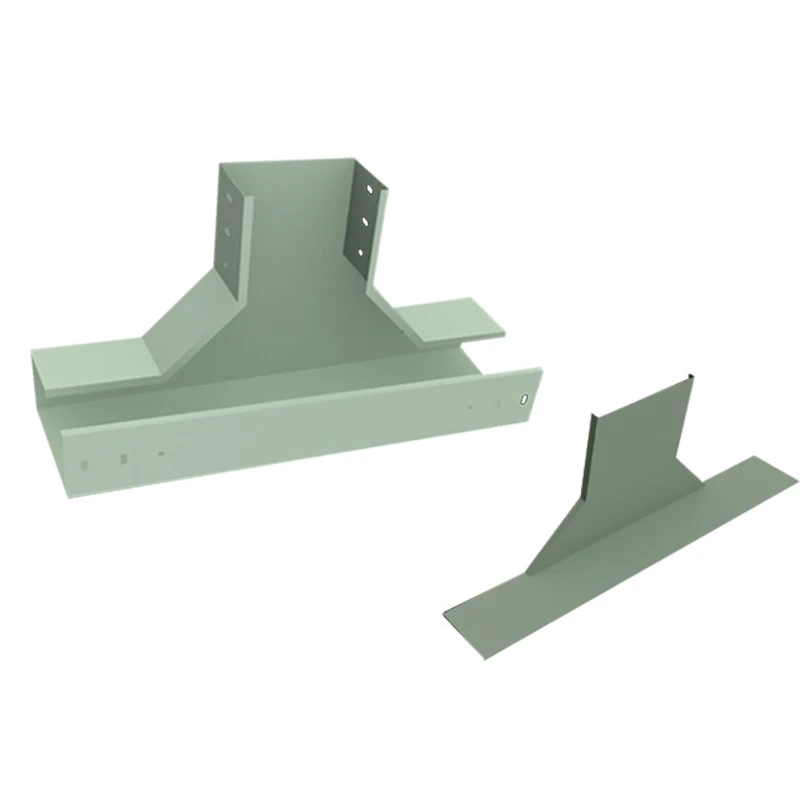
Another type is stainless steel. Stainless steel is known for its high resistance to corrosion, even in harsh chemical environments. If your cables are going to be in an area where they might be exposed to chemicals, such as in a chemical plant or a laboratory, stainless steel cable tray accessories are the way to go. They won't react with the chemicals and will keep your cables safe. For example, our Screw Vertical Left Tee is available in both hot - dipped galvanized steel and stainless steel, giving you options based on your specific needs.
Aluminum
Aluminum is another material that's widely used for cable tray accessories. One of the biggest advantages of aluminum is its lightweight nature. Compared to steel, aluminum is much lighter, which makes it easier to install. This can save a lot of time and labor costs during the installation process.
Aluminum also has good corrosion resistance. It forms a thin oxide layer on its surface when exposed to air, which protects it from further corrosion. In outdoor applications where the cable trays are exposed to the weather, aluminum cable tray accessories can perform well. However, it's not as strong as steel. So, if you have a large number of heavy cables, you might need to use steel instead.
We offer Screw Vertical Downward Bend in aluminum. It's a great choice for installations where weight is a concern, like in a ceiling - mounted cable tray system where you don't want to put too much stress on the ceiling structure.
Fiberglass
Fiberglass is a unique material for cable tray accessories. It's non - conductive, which means it doesn't conduct electricity. This is a huge advantage in electrical installations, as it reduces the risk of electrical shorts. Fiberglass is also resistant to corrosion, chemicals, and fire.
In areas where there's a risk of fire, such as in a power plant or a data center, fiberglass cable tray accessories can provide an extra layer of safety. They won't burn easily and can help contain a fire if one breaks out. However, fiberglass is more brittle than steel and aluminum. It needs to be handled carefully during installation to avoid cracking.
Our Vertical Tee At The Top Corner is available in fiberglass. It's a great option for those who need a non - conductive and fire - resistant solution for their cable management.
Plastic
Plastic is a cost - effective option for cable tray accessories. It's lightweight, easy to install, and comes in a variety of colors. Plastic cable tray accessories are often used in residential and small - scale commercial applications.
They are also resistant to corrosion and moisture. However, plastic is not as strong as steel, aluminum, or fiberglass. It has a lower weight - bearing capacity, so it's not suitable for heavy - duty applications. But for light - duty cable management, like in a home office or a small retail store, plastic cable tray accessories can be a great choice.
Choosing the Right Material
When choosing the material for your cable tray accessories, you need to consider several factors. First, think about the environment where the cables will be installed. If it's a wet or corrosive environment, you'll want to choose a material with good corrosion resistance, like stainless steel or aluminum. If there's a risk of fire, fiberglass might be the best option.

Second, consider the weight of the cables. If you have a lot of heavy cables, steel is probably the most suitable material. For lighter cables, plastic or aluminum could work.
Finally, think about your budget. Steel and stainless steel are generally more expensive than aluminum, plastic, and fiberglass. You need to find a balance between the performance of the material and your budget.
As a cable tray accessories supplier, we can help you make the right choice. We have a wide range of products made from different materials, and our team of experts can provide you with advice based on your specific requirements.
If you're interested in purchasing cable tray accessories or have any questions about the materials, feel free to reach out to us. We're here to assist you in finding the best solutions for your cable management needs. Let's have a chat about your project and see how we can work together to ensure your cables are well - managed and protected.
References
- "Handbook of Cable Tray Systems"
- "Materials Science for Engineers"
- Industry standards and guidelines for cable management