





Grass species are some of the most widespread and ecologically important plants on Earth. They dominate vast prairies, savannas, and even play crucial roles in urban lawns and agricultural fields. At the heart of their physiological success lies a fascinating and complex anatomical feature: vascular bundles. In this blog post, we'll explore the significance of vascular bundles in grass species, and as a vascular bundle supplier, we'll also touch on how our products can relate to the understanding and application of these natural structures.

1. Structure and Composition of Vascular Bundles in Grass Species
Vascular bundles in grass species are highly specialized structures that transport water, nutrients, and sugars throughout the plant. They consist of two main types of tissues: xylem and phloem.
The xylem is responsible for the upward movement of water and dissolved minerals from the roots to the rest of the plant. In grasses, the xylem typically contains tracheids and vessel elements. Tracheids are long, narrow cells with tapered ends that allow water to move through pits in their cell walls. Vessel elements, on the other hand, are shorter and wider, and they are arranged end - to - end to form continuous tubes, providing a more efficient pathway for water transport.
The phloem, in contrast, transports sugars and other organic compounds produced during photosynthesis from the leaves (source) to other parts of the plant (sink), such as the roots, developing seeds, and growing shoots. It is composed of sieve tube elements and companion cells. Sieve tube elements are living cells that lack a nucleus at maturity but are connected end - to - end by sieve plates, which have pores that allow the movement of sugars and other solutes. Companion cells are closely associated with sieve tube elements and provide metabolic support.
In grass species, vascular bundles are arranged in a characteristic pattern. In monocotyledonous grasses, the vascular bundles are scattered throughout the ground tissue of the stem, as opposed to the ring - like arrangement seen in dicotyledonous plants. This unique arrangement is well - adapted to the growth and mechanical needs of grasses.
2. Water and Nutrient Transport
One of the primary functions of vascular bundles in grass species is the efficient transport of water and nutrients. Water is essential for photosynthesis, transpiration, and maintaining cell turgidity. The xylem in vascular bundles plays a crucial role in this process.
During transpiration, water evaporates from the leaves through stomata. This creates a negative pressure gradient, known as the transpiration pull, which draws water up from the roots through the xylem. The unique structure of the xylem in grasses, with its tracheids and vessel elements, allows for a continuous and efficient flow of water. This is especially important for grasses growing in open habitats where water availability can be limited.
In addition to water, vascular bundles also transport essential nutrients such as nitrogen, phosphorus, and potassium. These nutrients are absorbed by the roots from the soil and are then transported through the xylem to the above - ground parts of the plant. The efficient transport of nutrients is vital for the growth, development, and overall health of grass species. For example, nitrogen is a key component of proteins, nucleic acids, and chlorophyll, and its proper transport ensures optimal photosynthesis and growth.
3. Photosynthate Distribution
Photosynthesis is the process by which grasses convert light energy into chemical energy in the form of sugars. The phloem in vascular bundles is responsible for distributing these photosynthates throughout the plant.
After photosynthesis occurs in the leaves, the sugars produced are loaded into the sieve tube elements of the phloem. This process is an active one, requiring energy in the form of ATP. Once the sugars are loaded, they are transported to various sinks in the plant, such as the roots for storage, the developing seeds for growth, and the growing shoots for expansion.
The ability to efficiently distribute photosynthates is crucial for the reproductive success of grass species. For example, in cereal grasses like wheat and rice, the proper transport of sugars to the developing grains is essential for high - yield production. Without an effective phloem transport system, the grains would not receive enough nutrients to develop fully, resulting in lower crop yields.
4. Mechanical Support
Vascular bundles also provide mechanical support to grass species. The fibers associated with the vascular bundles, especially in the outer regions of the stem, help to strengthen the plant and prevent it from bending or breaking under the influence of wind, rain, or the weight of the plant itself.
In grasses, the vascular bundles are often surrounded by sclerenchyma fibers. These fibers have thick, lignified cell walls that provide rigidity and strength. The arrangement of vascular bundles and associated fibers in the stem contributes to the overall structural integrity of the grass plant. This is particularly important for tall grass species that need to stand upright to compete for sunlight.
5. Adaptation to Environmental Conditions
Grass species have evolved to thrive in a wide range of environmental conditions, and vascular bundles play a key role in these adaptations.
In arid environments, grasses have developed mechanisms to conserve water. The structure of their vascular bundles, such as the reduced diameter of xylem vessels, helps to minimize water loss through transpiration. Additionally, the ability to quickly transport water and nutrients when they are available allows grasses to take advantage of brief periods of rainfall.
In wetland environments, grasses need to deal with waterlogging. Their vascular bundles may have adaptations such as aerenchyma tissue, which provides a pathway for oxygen to reach the roots. This helps the roots to survive in oxygen - deficient soil conditions.
6. Our Vascular Bundle Products and Their Relevance
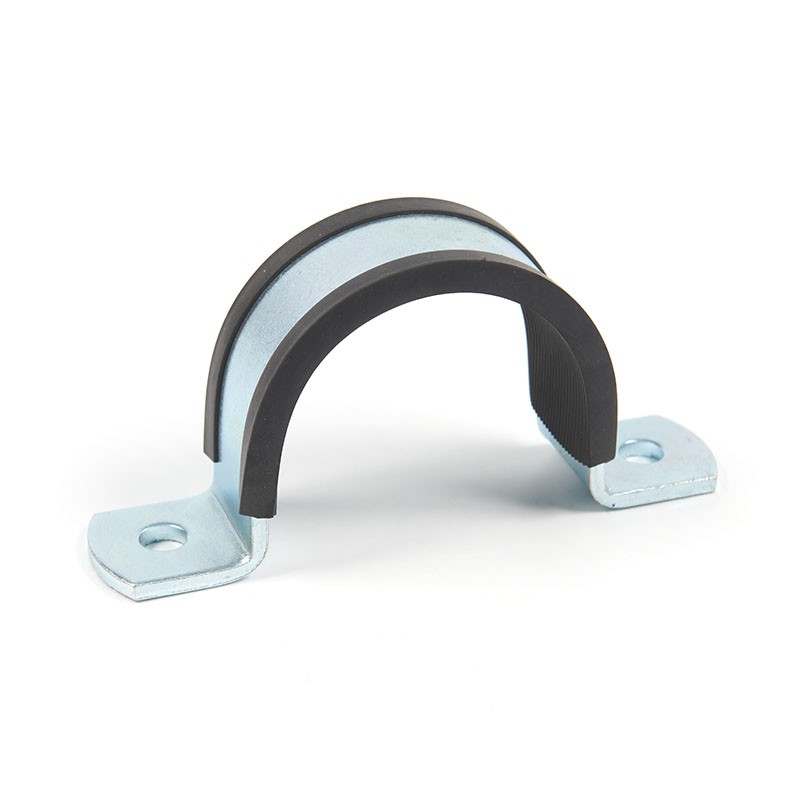
As a vascular bundle supplier, we offer a range of products that are inspired by the natural efficiency and functionality of vascular bundles in grass species. Our Cable Tray P - shaped Bundle is designed to provide organized and efficient cable management, similar to how vascular bundles in grasses organize the transport of water and nutrients. The P - shaped design allows for easy installation and secure holding of cables, ensuring a smooth flow of electrical signals, much like the flow of substances in plant vascular bundles.
Our Cable Tray Ohmic Tube Bundle is engineered to minimize electrical resistance, just as the xylem and phloem in grasses are optimized for efficient transport. This product is suitable for high - power applications where the efficient flow of electricity is crucial.
The Integrated Tube Bundle is a comprehensive solution for cable and tube management. It combines multiple functions into one unit, similar to how vascular bundles in grasses integrate the transport of different substances. This product is ideal for complex systems where space and organization are at a premium.
7. Contact for Procurement and Collaboration
If you are interested in our vascular bundle - inspired products, we encourage you to reach out to us for procurement and collaboration. Our team of experts is ready to assist you in finding the right solutions for your specific needs. Whether you are involved in electrical engineering, telecommunications, or other industries that require efficient cable and tube management, our products can offer significant advantages.
References
- Evert, R. F., & Eichhorn, S. E. (2013). Esau's Plant Anatomy: Meristems, Cells, and Tissues of the Plant Body: Their Structure, Function, and Development. John Wiley & Sons.
- Taiz, L., & Zeiger, E. (2010). Plant Physiology. Sinauer Associates.
- Mauseth, J. D. (2014). Botany: An Introduction to Plant Biology. Jones & Bartlett Learning.