





Hey there! As a cable tray supplier, I've seen firsthand how cable density can have a major impact on cable tray performance. In this blog post, I'm going to break down what cable density is, how it affects cable trays, and why it matters for your projects.
Let's start with the basics. Cable density refers to the amount of cables packed into a given space within a cable tray. It's typically measured in terms of the cross - sectional area occupied by the cables relative to the total available cross - sectional area of the cable tray. For example, if you have a cable tray with a cross - sectional area of 100 square inches and the cables inside occupy 30 square inches, the cable density is 30%.
One of the most significant impacts of high cable density is on heat dissipation. Cables generate heat when they carry electrical current. In a cable tray with low cable density, there's plenty of space for air to circulate around the cables. This air circulation helps to carry away the heat, keeping the cables at a safe operating temperature.
However, when the cable density is high, the cables are packed closely together. This restricts the flow of air, making it difficult for heat to escape. As a result, the temperature of the cables can rise significantly. Excessive heat can cause a range of problems. It can degrade the insulation of the cables over time, reducing their lifespan and increasing the risk of electrical failures. In extreme cases, it can even lead to a fire hazard.
Another aspect affected by cable density is cable management. When there are too many cables in a tray, it becomes challenging to organize and identify them. This can be a nightmare during installation, maintenance, or troubleshooting. Technicians may struggle to find the right cable, which can lead to delays and errors. For instance, if a fault occurs in a high - density cable tray, it might take hours to locate the faulty cable, causing costly downtime.
Mechanical stress is also a concern. High cable density means that the cables are in close contact with each other and the walls of the cable tray. As the cables expand and contract due to temperature changes or vibrations, they can rub against each other and the tray. This friction can damage the cable jackets, exposing the conductors and increasing the risk of short - circuits.
Now, let's talk about how cable density impacts the structural integrity of the cable tray itself. Cable trays are designed to support a certain weight of cables. When the cable density is too high, the weight of the cables can exceed the tray's load - bearing capacity. This can cause the tray to sag or even collapse. A collapsed cable tray not only damages the cables but also poses a safety risk to anyone in the vicinity.
On the flip side, having a very low cable density might seem like a good thing, but it can also be wasteful. You're using more cable tray material than necessary, which increases the cost of the project. It also takes up more space, which can be a problem in areas where space is limited.
So, what can you do to manage cable density effectively? First, it's crucial to plan ahead. Before installing a cable tray, calculate the number and size of cables that will be placed in it. Use cable management software or consult industry standards to determine the appropriate cable density for your specific application.
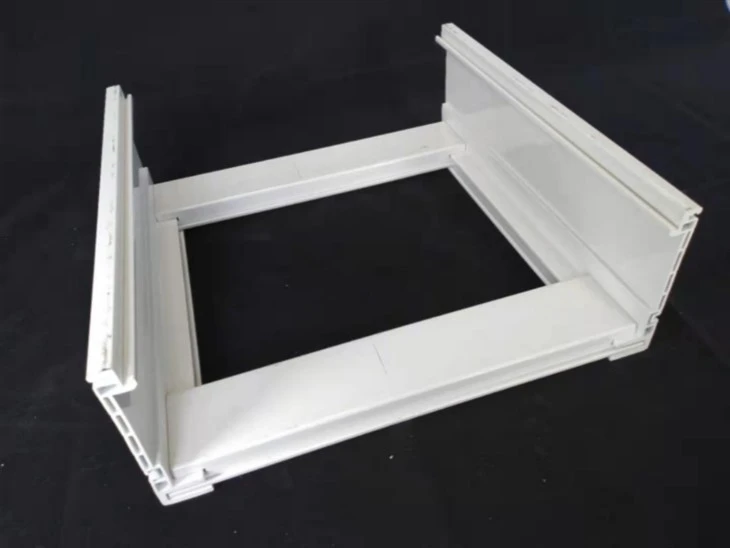
When selecting a cable tray, consider its design and capacity. Some cable trays are better suited for high - density applications than others. For example, Polymer Cable Ladder is a great option. It offers good ventilation, which helps with heat dissipation, and it can support a relatively high weight of cables.
During installation, make sure to arrange the cables neatly. Use cable ties, separators, and other cable management accessories to keep the cables organized and prevent them from bunching up. This not only improves cable management but also helps to reduce heat buildup and mechanical stress.
Regular inspections are also essential. Check the cable tray periodically to ensure that the cable density hasn't changed due to new cable additions or rearrangements. If you notice that the cable density is approaching or exceeding the recommended limit, take action to redistribute the cables or upgrade the cable tray.

In conclusion, cable density plays a crucial role in the performance of cable trays. It affects heat dissipation, cable management, mechanical stress, and the structural integrity of the tray. By understanding the impact of cable density and taking appropriate measures to manage it, you can ensure the safe and efficient operation of your cable systems.
If you're working on a project that requires cable trays and you're not sure how to handle cable density, don't hesitate to reach out. As a cable tray supplier, I have the expertise and experience to help you choose the right cable tray and manage cable density effectively. Whether you need advice on cable tray selection, installation, or maintenance, I'm here to assist you. Let's work together to ensure your project is a success.
References
- Electrical Installation Handbook, Schneider Electric
- National Electrical Code (NEC)
- Cable Tray Manufacturers Association (CTMA) Standards