




When it comes to cable management in various industrial and commercial settings, polymer cable trays play a crucial role. As a leading polymer cable tray supplier, I often encounter questions about the differences between solid and perforated polymer cable trays. In this blog post, I'll delve into the characteristics, advantages, and applications of both types to help you make an informed decision for your cable management needs.
Physical Characteristics
Solid Polymer Cable Trays
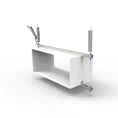
Solid polymer cable trays are characterized by their continuous, unbroken surface. They are typically made from high - quality polymers that offer excellent strength and durability. The solid design provides a smooth and seamless platform for laying cables. These trays are available in different shapes and sizes, such as Polymer Trough Type Cable Tray, which is ideal for protecting cables from external elements and mechanical damage.
Perforated Polymer Cable Trays
Perforated polymer cable trays, on the other hand, have a series of holes or slots throughout their surface. The perforations can vary in size, shape, and density depending on the specific requirements. This type of tray is also available in various forms, including Polymer Ladder Type Cable Tray and Polymer Tray Type Cable Tray. The open design allows for better ventilation and drainage.


Advantages
Solid Polymer Cable Trays
- Protection: One of the primary advantages of solid polymer cable trays is their ability to provide superior protection for cables. The solid surface shields cables from dust, dirt, moisture, and chemical spills. This is particularly important in harsh environments such as chemical plants, wastewater treatment facilities, and outdoor installations.
- Mechanical Strength: Solid trays offer high mechanical strength, which can withstand heavy loads and impacts. They are suitable for supporting large - diameter cables and multiple cable runs. This makes them a reliable choice for industrial applications where cables need to be safely managed over long distances.
- Aesthetics: In some commercial settings, the appearance of the cable management system is important. Solid polymer cable trays have a clean and professional look, which can enhance the overall aesthetics of the installation.
Perforated Polymer Cable Trays
- Ventilation: The perforations in these trays allow for better air circulation around the cables. This helps to dissipate heat generated by the cables, reducing the risk of overheating and extending the lifespan of the cables. In applications where cables carry high - power loads, such as data centers and electrical substations, proper ventilation is crucial.
- Drainage: Perforated trays are excellent for areas where water or other liquids may accumulate. The holes allow water to drain away quickly, preventing waterlogging and corrosion of the cables. This is beneficial in outdoor installations or areas prone to flooding.
- Lightweight: Compared to solid trays, perforated polymer cable trays are generally lighter. This makes them easier to handle during installation, reducing labor costs and time. They are also suitable for applications where weight restrictions are a concern.
Applications
Solid Polymer Cable Trays
- Industrial Manufacturing: In manufacturing plants, solid polymer cable trays are used to protect cables from the harsh conditions of the production environment. They can withstand exposure to chemicals, oils, and mechanical vibrations, ensuring the reliable operation of electrical and control systems.
- Food and Beverage Industry: The food and beverage industry has strict hygiene requirements. Solid polymer cable trays are easy to clean and sanitize, making them suitable for use in this industry. They prevent the accumulation of dirt and debris, which could contaminate the production process.
- Underground Installations: For underground cable installations, solid trays provide protection against moisture, soil, and physical damage. They ensure the long - term integrity of the cables in the challenging underground environment.
Perforated Polymer Cable Trays
- Data Centers: Data centers house a large number of servers and networking equipment that generate a significant amount of heat. Perforated polymer cable trays help to maintain proper ventilation, keeping the cables and equipment at an optimal temperature. This is essential for the reliable operation of the data center.
- Telecommunication Networks: In telecommunication facilities, cables need to be properly managed to ensure efficient signal transmission. Perforated trays allow for easy access to the cables for maintenance and upgrades, while also providing good ventilation and drainage.
- Outdoor Lighting Systems: Outdoor lighting installations are exposed to the elements. Perforated polymer cable trays help to prevent water accumulation and ensure that the cables are well - ventilated, reducing the risk of electrical failures.
Cost Considerations
The cost of solid and perforated polymer cable trays can vary depending on several factors, such as the size, material quality, and quantity required. Generally, solid polymer cable trays may be more expensive due to the higher amount of material used and the additional manufacturing processes involved in creating a solid surface. However, the long - term cost savings in terms of cable protection and reduced maintenance may offset the initial investment.
Perforated polymer cable trays are often more cost - effective, especially for large - scale projects. Their lightweight design can also result in lower transportation and installation costs. When choosing between the two types, it's important to consider the overall cost - effectiveness based on the specific requirements of the project.
Conclusion
In summary, both solid and perforated polymer cable trays have their own unique characteristics, advantages, and applications. As a polymer cable tray supplier, I understand the importance of selecting the right type of tray for your specific needs. Whether you need the superior protection of solid trays or the ventilation and drainage benefits of perforated trays, we can provide you with high - quality products that meet your requirements.
If you're in the process of planning a cable management project or need more information about our polymer cable trays, I encourage you to reach out to us. Our team of experts is ready to assist you in making the best decision for your project. We can provide detailed product specifications, installation guidance, and competitive pricing. Let's work together to ensure the success of your cable management system.
References
- "Cable Tray Handbook" by the National Electrical Manufacturers Association (NEMA)
- "Polymer Materials for Electrical Applications" by various industry experts
- Technical documentation from leading polymer cable tray manufacturers