




Wind resistance is a crucial factor to consider when selecting cable trays for various applications. As a cable tray supplier, I understand the importance of providing products that can withstand the forces of nature, especially wind. In this blog post, I will delve into the wind resistance properties of cable trays, exploring the factors that affect them and the benefits of choosing trays with high wind resistance.
Factors Affecting Wind Resistance
The wind resistance of cable trays is influenced by several factors, including the design, material, and installation of the trays. Understanding these factors can help you make an informed decision when selecting cable trays for your project.
Design
The design of a cable tray plays a significant role in its wind resistance. Trays with a closed or solid design tend to have better wind resistance than those with an open or perforated design. This is because a closed design reduces the surface area exposed to the wind, minimizing the wind load on the tray. Additionally, trays with a streamlined shape can reduce wind drag and improve wind resistance.
Material
The material used to manufacture the cable tray also affects its wind resistance. Metal trays, such as steel or aluminum, are generally more wind-resistant than plastic or fiberglass trays. This is because metal has a higher strength-to-weight ratio, allowing it to withstand higher wind loads without deformation. However, plastic and fiberglass trays can be a good option in areas with low wind speeds or where corrosion resistance is a concern.
Installation
Proper installation is essential for ensuring the wind resistance of cable trays. Trays should be securely fastened to the supporting structure using appropriate hardware, such as bolts or clips. Additionally, the spacing between the trays and the supporting structure should be sufficient to allow for proper ventilation and prevent the accumulation of wind pressure.
Benefits of High Wind Resistance
Choosing cable trays with high wind resistance offers several benefits, including increased safety, durability, and reliability.

Safety
Cable trays that can withstand high wind loads are less likely to be damaged or dislodged during a storm or other high-wind event. This reduces the risk of electrical fires, power outages, and other safety hazards associated with damaged cable trays.
Durability
High wind resistance also improves the durability of cable trays. Trays that are not damaged by wind are less likely to require frequent repairs or replacement, reducing maintenance costs and downtime.
Reliability
Cable trays with high wind resistance provide a more reliable solution for supporting electrical cables. By ensuring that the trays remain in place and intact, you can minimize the risk of cable damage and ensure the continuous operation of your electrical system.
Polymer Cable Ladder for Wind Resistance
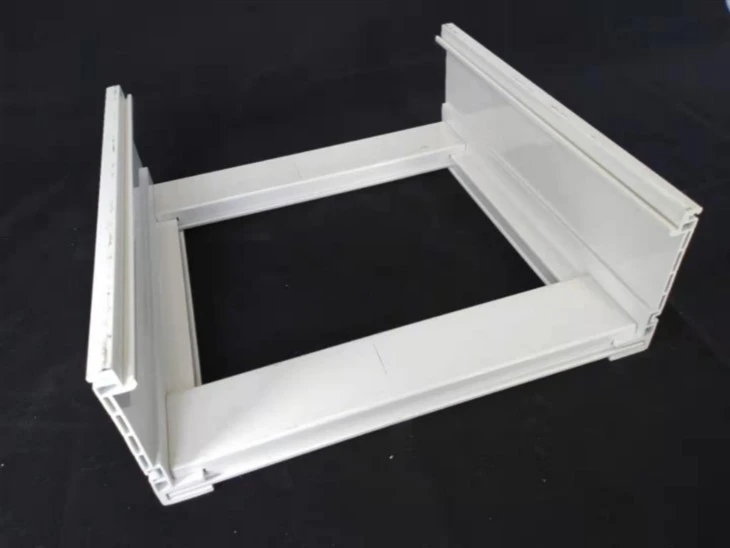
One type of cable tray that offers excellent wind resistance is the Polymer Cable Ladder. Polymer cable ladders are made from a high-strength polymer material that is lightweight, corrosion-resistant, and easy to install. These ladders have a closed design that reduces the surface area exposed to the wind, minimizing the wind load on the tray. Additionally, the streamlined shape of the ladder reduces wind drag and improves wind resistance.
Polymer cable ladders are also available in a variety of sizes and configurations to meet the specific needs of your project. Whether you need a ladder for indoor or outdoor use, in a high-wind area or a low-wind area, there is a polymer cable ladder that is right for you.
Conclusion
Wind resistance is an important factor to consider when selecting cable trays for your project. By choosing trays with high wind resistance, you can ensure the safety, durability, and reliability of your electrical system. As a cable tray supplier, I offer a wide range of cable trays, including Polymer Cable Ladder, that are designed to withstand the forces of nature. If you have any questions or need assistance in selecting the right cable trays for your project, please contact me. I would be happy to help you find the best solution for your needs.
References
- "Cable Tray Installation Guide," National Electrical Manufacturers Association (NEMA).
- "Wind Load Calculations for Cable Trays," American Society of Civil Engineers (ASCE).
- "Polymer Cable Ladder Product Brochure," [Manufacturer's Name].