





Hey there! As a supplier of vascular bundles, I've spent a ton of time digging into what makes these bundles form the way they do. It's not just a random process; there are several key factors at play. In this blog, I'm gonna break down these factors and give you a better understanding of the science behind vascular bundle formation.
Genetic Factors
First off, genes are like the blueprints for vascular bundle formation. They control every step of the process, from the initial differentiation of cells to the development of complex bundle structures. Different genes are responsible for different aspects. For example, some genes regulate the division and growth of cells that will eventually become part of the vascular bundle. Others determine the specific types of cells within the bundle, like xylem and phloem cells.
Think of it like building a house. The genes are the architects' plans that tell the construction workers (the cells) where to go and what to do. Without the right genetic instructions, the vascular bundle just wouldn't form correctly. Scientists have done a lot of research on these genes, and they've found that even small changes in the genetic code can lead to big differences in the structure and function of vascular bundles.
Hormonal Regulation
Hormones are like the messengers in the plant's body. They play a crucial role in coordinating the growth and development of vascular bundles. One of the most important hormones in this process is auxin. Auxin is produced at the tips of the plant, like the shoot apex, and it moves down through the plant. As it travels, it influences the division and differentiation of cells to form vascular bundles.
When auxin levels are high in a certain area, it stimulates the cells to divide and differentiate into xylem cells. This is why you often see more xylem development near the areas where auxin is concentrated. Another hormone, cytokinin, also works hand - in - hand with auxin. Cytokinin promotes cell division and helps in the formation of phloem cells. The balance between auxin and cytokinin is super important. If the ratio is off, the vascular bundle might not develop properly.
Environmental Influences
The environment also has a huge impact on vascular bundle formation. Light is one of the major environmental factors. Plants grown in different light conditions will have different vascular bundle structures. For example, plants grown in low - light conditions tend to have smaller and less developed vascular bundles. This is because light affects the production of hormones like auxin. In low light, the production of auxin might be reduced, which in turn affects the formation of vascular bundles.
Temperature is another key factor. Extreme temperatures, either too hot or too cold, can disrupt the normal process of vascular bundle formation. At high temperatures, the enzymes involved in cell division and differentiation might not work properly, leading to abnormal bundle development. On the other hand, cold temperatures can slow down the metabolic processes in the plant, also affecting the formation of vascular bundles.
Water availability is also crucial. When a plant is well - watered, it can develop normal vascular bundles. But if there's a water shortage, the plant might adjust its vascular bundle structure to conserve water. For example, it might develop fewer but thicker xylem vessels to reduce water loss.
Mechanical Stress
Mechanical stress can also influence vascular bundle formation. When a plant is exposed to wind or other mechanical forces, it responds by strengthening its vascular bundles. The mechanical stress stimulates the production of certain hormones and proteins that promote the development of stronger and more robust vascular bundles.
For instance, trees growing in windy areas will have more developed and stronger vascular bundles compared to those growing in sheltered areas. This is because the constant mechanical stress from the wind triggers the plant to reinforce its vascular system to withstand the forces.
Nutrient Availability
Nutrients are the building blocks for the plant, and they're essential for vascular bundle formation. Nitrogen, phosphorus, and potassium are some of the most important nutrients. Nitrogen is needed for the synthesis of proteins, which are crucial for cell growth and division. Without enough nitrogen, the cells in the vascular bundle might not be able to divide and differentiate properly.
Phosphorus is involved in energy transfer within the plant. It's needed for many biochemical reactions that are essential for vascular bundle development. Potassium helps in maintaining the osmotic balance in the cells, which is important for cell expansion and the overall growth of the vascular bundle.
Our Vascular Bundle Products
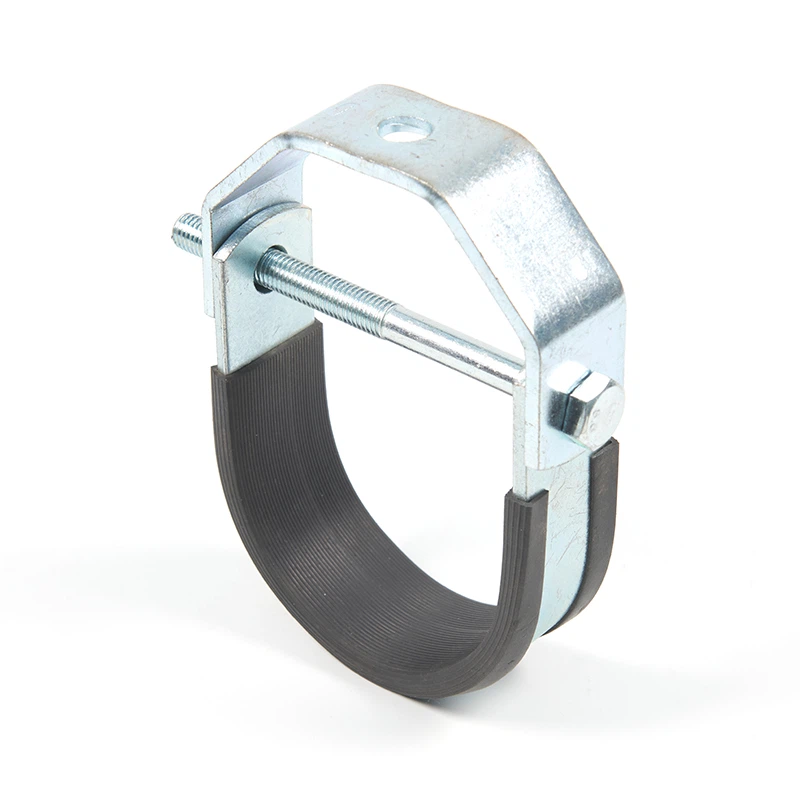
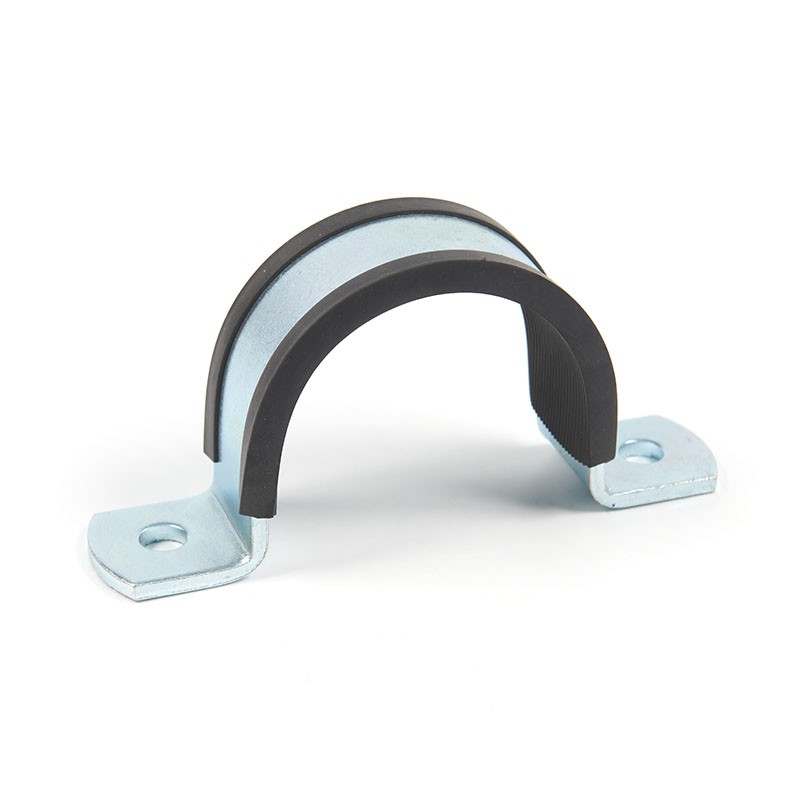
At our company, we understand all these factors that influence vascular bundle formation. That's why we're able to produce high - quality vascular bundles that meet different needs. We offer a variety of products, such as the U - shaped Tube Bundle, Cable Tray Ohmic Tube Bundle, and Cable Tray P - shaped Bundle.
Our products are designed with precision, taking into account the natural processes of vascular bundle formation. Whether you need a bundle for a specific environmental condition or a particular mechanical stress situation, we've got you covered.
Why Choose Our Vascular Bundles
Our vascular bundles are made from the best materials, ensuring durability and long - term performance. We use advanced manufacturing techniques to mimic the natural structure and function of vascular bundles, which means they can effectively transport fluids or cables, depending on the application.
We also offer customization services. If you have specific requirements for the size, shape, or function of the vascular bundle, we can work with you to create a product that's just right for you.
Let's Connect
If you're interested in our vascular bundle products, don't hesitate to reach out. Whether you're in the agricultural industry, the cable management sector, or any other field that requires high - quality vascular bundles, we're here to help. We can provide you with detailed product information, samples, and competitive pricing.
Contact us today to start a conversation about your vascular bundle needs. We're looking forward to working with you and providing you with the best solutions in the market.
References
- Taiz, L., & Zeiger, E. (2010). Plant Physiology. Sinauer Associates.
- Sachs, T. (1981). The control of the patterned differentiation of vascular tissues. Annual Review of Plant Physiology, 32(1), 341 - 364.
- Aloni, R. (2001). Vascular differentiation and plant growth. Springer - Verlag.