





Hey there! As a cable tray supplier, I often get asked about the electromagnetic shielding properties of cable trays. It's a super important topic, especially in today's tech - driven world where electronic devices are everywhere. So, let's dive right in and explore this fascinating subject.
First off, what exactly is electromagnetic shielding? Well, electromagnetic fields (EMFs) are generated by electrical currents. These fields can interfere with the normal operation of sensitive electronic equipment. Think about how your radio might get static when it's near a large electrical appliance. That's EMF interference in action. Electromagnetic shielding is the process of blocking or reducing these fields to protect the equipment inside from such interference.
Now, cable trays play a crucial role in this shielding process. They are like the guardians of the cables, protecting them from external electromagnetic interference and also preventing the cables from emitting their own EMFs that could potentially disrupt other devices.
One of the key factors that determine the electromagnetic shielding properties of cable trays is the material they are made of. Different materials have different abilities to block EMFs.
Metallic cable trays, such as those made of steel or aluminum, are great at electromagnetic shielding. Metals are conductors, and when an electromagnetic field encounters a metal surface, it induces an electrical current in the metal. This current then generates its own magnetic field that opposes the original field, effectively canceling out a significant portion of the EMF. For example, steel cable trays have high magnetic permeability, which means they can easily conduct magnetic fields. This property allows them to absorb and redirect the EMFs around the cables they hold. Aluminum, on the other hand, is a good conductor of electricity and has a relatively low density. It forms a thin oxide layer on its surface, which also helps in shielding against EMFs.
But it's not just about the metal itself. The design and construction of the cable tray also matter. A well - designed metallic cable tray with a continuous and grounded structure provides better shielding. For instance, a cable tray with proper joints and connections ensures that the electrical conductivity is maintained throughout the structure. Any gaps or breaks in the tray can allow EMFs to leak through, reducing the shielding effectiveness.
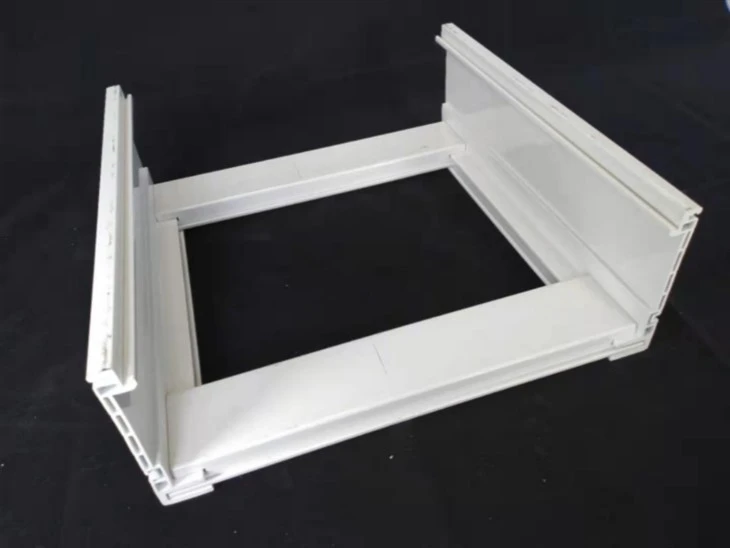
Now, let's talk about non - metallic cable trays. You might be thinking, “How can non - metals shield against EMFs?” Well, there are some non - metallic materials that have been engineered to have electromagnetic shielding properties. One such option is the Polymer Cable Ladder. Polymer cable ladders are made of high - performance polymers that can be filled with conductive additives. These additives, such as carbon fibers or metal particles, give the polymer the ability to conduct electricity to some extent. This conductivity allows the polymer cable ladder to create an electromagnetic barrier around the cables. The advantage of polymer cable ladders is that they are lightweight, corrosion - resistant, and easy to install. They are also suitable for environments where metal corrosion is a concern, such as in chemical plants or marine applications.
The effectiveness of electromagnetic shielding is measured in decibels (dB). A higher dB value indicates better shielding. The shielding effectiveness depends on various factors, including the frequency of the EMF, the thickness of the shielding material, and the distance between the source of the EMF and the shielded area. For example, at lower frequencies, magnetic shielding is more important, while at higher frequencies, electrical shielding becomes crucial.
In industrial settings, where there are a large number of electrical equipment and cables, proper electromagnetic shielding is essential. Imagine a data center filled with servers and networking equipment. Without adequate shielding, the EMFs from these devices could interfere with each other, leading to data errors, system failures, and reduced performance. Cable trays with good electromagnetic shielding properties can help maintain a stable and reliable environment for these sensitive systems.
In addition to protecting the internal equipment, cable trays with electromagnetic shielding can also prevent electromagnetic radiation from leaking out of the building. This is important for security reasons, as some sensitive information can be transmitted through EMFs. By containing the EMFs within the building, cable trays help in preventing eavesdropping and data theft.
Another aspect to consider is the grounding of the cable trays. Grounding is a vital part of the electromagnetic shielding system. When a cable tray is properly grounded, it provides a path for the electrical current induced by the EMFs to flow safely to the ground. This helps in reducing the potential for electrical interference and also protects the equipment from electrical surges. A good grounding system for cable trays involves connecting the tray to a reliable ground source, such as a grounding rod or a building's grounding system.

So, how do you choose the right cable tray for your electromagnetic shielding needs? First, you need to assess the level of EMF interference in your environment. If you are in an area with high - power electrical equipment or near radio transmitters, you might need a cable tray with high shielding effectiveness. Consider the frequency range of the EMFs you are dealing with. For low - frequency magnetic fields, a steel cable tray might be a better option, while for high - frequency electrical fields, an aluminum or a well - engineered polymer cable tray could work well.
Also, think about the environmental conditions. If your installation is in a corrosive environment, a polymer cable ladder might be more suitable due to its corrosion - resistant properties. And of course, make sure the cable tray is properly installed and grounded to ensure maximum shielding effectiveness.
If you're looking for a reliable cable tray supplier, I'm here to help. Whether you need a metallic cable tray for high - end shielding or a Polymer Cable Ladder for a more lightweight and corrosion - resistant solution, I can provide you with the best products. I have a wide range of cable trays that are designed to meet different electromagnetic shielding requirements.
If you're interested in learning more or discussing your specific needs, feel free to reach out. We can have a detailed conversation about the best cable tray options for your project and get you started on the right foot. Let's work together to ensure your cables are well - protected from electromagnetic interference.
References
- “Electromagnetic Shielding Handbook” by Kenneth L. Kaiser
- “Cable Tray Systems: Design, Installation, and Maintenance” by various industry experts