




Hey there! As a supplier of cable tray accessories, I've seen firsthand the importance of these components in electrical installations. Cable tray accessories play a crucial role in ensuring the proper functioning, safety, and flexibility of cable management systems. In this blog, I'll walk you through some of the common types of cable tray accessories that you might need for your projects.
1. Bends and Elbows
Bends and elbows are essential accessories used to change the direction of cable trays. They come in various angles, such as 45 degrees and 90 degrees, and can be either horizontal or vertical. For example, a Screw Vertical Left Upward Bend is a specific type of bend that allows cables to change direction vertically and to the left in an upward motion. These bends are made to fit seamlessly with standard cable trays, ensuring a smooth transition for the cables. They're typically made from the same material as the cable tray, like steel or aluminum, to maintain consistency in strength and durability.
2. Suspension Systems
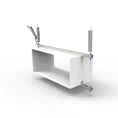
Suspension systems are used to hang cable trays from ceilings, walls, or other structures. One common type is the Hexagonal Cable Tray Suspension Frame. This type of frame provides stable support for the cable tray and can be adjusted to different heights and angles. Suspension systems are important because they keep the cable trays off the ground, protecting the cables from damage and making it easier to access and maintain them. They also help distribute the weight of the cables evenly, preventing stress on the tray and ensuring its long - term stability.
3. Couplers and Connectors
Couplers and connectors are used to join two or more sections of cable trays together. They ensure a secure and continuous connection, which is vital for the proper functioning of the cable management system. Connecting Screws are a simple yet effective type of connector. They're easy to install and can be tightened to create a strong bond between the tray sections. Some connectors also have features like locking mechanisms to prevent accidental disconnection. These accessories are available in different sizes and materials to match the specific requirements of the cable tray system.
4. End Caps
End caps are used to close the open ends of cable trays. They serve several purposes. Firstly, they prevent cables from protruding out of the ends of the tray, which could pose a safety hazard. Secondly, they protect the cables from dust, dirt, and moisture, which can damage the cables over time. End caps are usually made from the same material as the cable tray and are designed to fit snugly on the ends. They come in different shapes and sizes to match the various types of cable trays available.
5. Dividers
Dividers are used to separate different types of cables within a cable tray. This is important because it helps organize the cables, making it easier to identify and troubleshoot problems. For example, you might use dividers to separate power cables from data cables to prevent interference. Dividers can be made from plastic or metal and are available in different heights and widths to suit the needs of your cable management system.
6. Covers
Covers are used to protect the cables inside the cable tray from environmental factors such as dust, dirt, and water. They also provide an extra layer of safety by preventing unauthorized access to the cables. Some covers are transparent, which allows for easy visual inspection of the cables without having to remove the cover. Covers can be made from materials like plastic, metal, or fiberglass, depending on the specific requirements of the application.
7. Grounding Accessories
Grounding accessories are crucial for ensuring the safety of the cable management system. They provide a path for electrical current to flow safely to the ground in case of a fault. Grounding straps, clamps, and conductors are common types of grounding accessories. These accessories are designed to be easily installed on the cable tray and are made from materials that have good electrical conductivity.
8. Expansion Joints
Expansion joints are used to accommodate the expansion and contraction of cable trays due to temperature changes. Without expansion joints, the cable trays could become damaged or deformed over time, which could lead to cable failure. Expansion joints are designed to allow for movement while maintaining a continuous and secure connection between the tray sections.


Why Choose Our Cable Tray Accessories?
We understand that choosing the right cable tray accessories is crucial for the success of your project. That's why we offer a wide range of high - quality accessories that are designed to meet the diverse needs of our customers. Our products are made from the best materials and are manufactured to strict quality standards. We also provide excellent customer service, ensuring that you get the support you need throughout the purchasing process.
If you're in the market for cable tray accessories, whether it's for a small residential project or a large industrial installation, we'd love to hear from you. Our team of experts can help you select the right accessories for your specific requirements and provide you with a competitive quote. Don't hesitate to reach out to us to start a conversation about your cable tray accessory needs.
References
- Electrical Installation Handbook, Schneider Electric
- Cable Tray Installation Guide, industry standard publication