


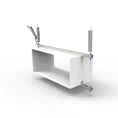


Hey there! As a supplier of pressing blocks, I've seen my fair share of issues that customers run into. In this blog, I'm gonna walk you through how to troubleshoot problems with a pressing block. Whether you're a seasoned pro or just starting out, these tips should come in handy.
1. Check for Physical Damage
The first thing you should do when you notice a problem with your pressing block is to give it a good visual inspection. Look for any signs of cracks, chips, or dents. Physical damage can affect the performance of the pressing block and may even lead to more serious issues down the line.
If you find any damage, it's important to assess the severity. Minor scratches or dents might not affect the functionality too much, but larger cracks or chips could be a major problem. In some cases, you might be able to repair the pressing block, but in others, you may need to replace it.
For example, if you have an Edge Pressing Block and you notice a small crack on the edge, you could try using a suitable adhesive to fix it. However, if the crack is large or the block is severely damaged, it's probably best to get a new one.
2. Examine the Surface Condition
The surface of the pressing block plays a crucial role in its performance. A dirty or uneven surface can cause problems such as poor contact, uneven pressure distribution, or even damage to the materials being pressed.
Start by cleaning the surface of the pressing block. Use a mild detergent and a soft cloth to remove any dirt, debris, or residue. Make sure to dry the block thoroughly before using it again.
If the surface is still uneven after cleaning, you may need to smooth it out. You can use sandpaper or a grinding tool to gently remove any high spots or rough areas. Just be careful not to overdo it, as you don't want to change the shape or dimensions of the pressing block.
For instance, if you're using a Medium Pressure Block and you notice that the surface is sticky or has some build-up, cleaning it can often solve the problem. If the surface is worn down in some areas, sanding it lightly can restore its smoothness.
3. Check the Mounting and Alignment
Proper mounting and alignment are essential for the correct functioning of a pressing block. If the block is not mounted securely or is misaligned, it can cause uneven pressure, premature wear, and other issues.
Inspect the mounting hardware to make sure all the bolts, screws, or clamps are tight. Loose mounting can allow the pressing block to move or shift during operation, which can lead to inconsistent results.
Also, check the alignment of the pressing block. It should be parallel to the surface it's pressing against and properly centered. You can use a straightedge or a level to verify the alignment. If the block is misaligned, adjust it according to the manufacturer's instructions.
Let's say you've installed a pressing block on a machine, and you're getting uneven pressure across the material. One of the first things to check is the mounting. Maybe a bolt has come loose, causing the block to tilt slightly. Tightening the bolts and realigning the block can often fix the problem.
4. Evaluate the Pressure Settings
Incorrect pressure settings can be a common cause of problems with a pressing block. If the pressure is too low, the block may not be able to perform its intended function effectively. On the other hand, if the pressure is too high, it can cause damage to the block or the materials being pressed.
Refer to the manufacturer's specifications to determine the appropriate pressure range for your pressing block. Most pressing blocks come with recommended pressure settings based on their size, material, and intended application.
If you're using a machine with adjustable pressure, make sure to set it correctly. You may need to use a pressure gauge to measure the actual pressure being applied. If the pressure is outside the recommended range, adjust it accordingly.
For example, if you're using a pressing block to laminate two materials together and the bond is not strong enough, it could be because the pressure is too low. Increasing the pressure within the recommended range might solve the problem.
5. Consider the Material Compatibility
The material of the pressing block and the materials it comes into contact with need to be compatible. Using a pressing block made of the wrong material can lead to issues such as chemical reactions, excessive wear, or poor performance.
Before using a pressing block, make sure to check the manufacturer's guidelines regarding material compatibility. Different materials have different properties, and some may react with certain substances or be more prone to wear when used with specific materials.
For instance, if you're pressing a plastic material, you need to choose a pressing block made of a material that won't scratch or damage the plastic. Some plastics are sensitive to heat, so you also need to consider the temperature resistance of the pressing block.
6. Look for Signs of Wear and Tear
Over time, pressing blocks will naturally experience wear and tear. Signs of wear can include thinning, deformation, or loss of hardness. If you notice any of these signs, it's important to take action before the problem gets worse.
Regularly inspect the pressing block for signs of wear. Pay attention to areas that are subject to the most stress or friction. If the wear is minor, you may be able to continue using the block for a while longer, but it's a good idea to keep an eye on it.
If the wear is significant, it's probably time to replace the pressing block. Continuing to use a worn-out block can lead to inconsistent results, damage to the materials being pressed, or even safety hazards.
For example, if you've been using a pressing block for a long time and you notice that the edges are starting to wear down, it might be a sign that the block is reaching the end of its lifespan. Replacing it at this point can save you from potential problems in the future.
7. Seek Professional Help if Needed
If you've tried all the above steps and you're still having problems with your pressing block, it may be time to seek professional help. A qualified technician or the manufacturer's support team can provide more in-depth troubleshooting and advice.
They may have access to specialized tools and equipment to diagnose the problem accurately. They can also offer solutions that you may not have considered on your own.
Don't hesitate to reach out for help if you're unsure about what to do. It's better to get the problem resolved correctly than to continue struggling with it on your own.


Conclusion
Troubleshooting problems with a pressing block doesn't have to be a daunting task. By following these steps, you can identify and solve most common issues. Remember to regularly inspect and maintain your pressing blocks to prevent problems from occurring in the first place.
If you're in the market for a new pressing block or have any questions about our products, we'd love to hear from you. Contact us to start a conversation about your pressing block needs and explore how we can help you find the perfect solution.
References
- Manufacturer's manuals and specifications for pressing blocks
- Industry best practices for using and maintaining pressing blocks