


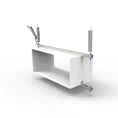


Installing cable trays in an airport is a complex yet crucial task that requires meticulous planning, technical expertise, and adherence to strict safety and regulatory standards. As a cable tray supplier, I have witnessed firsthand the importance of a well - executed cable tray installation in ensuring the smooth operation of an airport's electrical and communication systems. In this blog, I will guide you through the step - by - step process of installing cable trays in an airport.
1. Pre - installation Planning
Before any installation work begins, a comprehensive pre - installation plan must be developed. This plan should take into account the airport's layout, the type and quantity of cables to be installed, and the specific requirements of different areas within the airport.
Site Survey
Conduct a detailed site survey of the airport. Identify the areas where cable trays will be installed, such as terminal buildings, runways, hangars, and control towers. Measure the distances, heights, and angles of the installation sites. Note any obstacles, such as structural columns, ventilation ducts, or fire suppression systems, that may affect the installation process.

Cable Load Calculation
Determine the total weight of the cables that will be placed in the cable trays. Consider not only the current cable load but also future expansion requirements. Different types of cables, such as power cables, communication cables, and control cables, have different weights and sizes. Based on these calculations, select the appropriate size and type of cable trays. For example, if you need a lightweight and corrosion - resistant option, you might consider the [Polymer Cable Ladder](/cable - tray/polymer - cable - ladder.html), which is suitable for various airport environments.
Regulatory Compliance
Airports are subject to strict safety and regulatory standards. Ensure that the cable trays and the installation process comply with local building codes, fire safety regulations, and aviation industry standards. For instance, cable trays must be fire - resistant and provide proper grounding to prevent electrical hazards.
2. Material and Equipment Preparation
Once the pre - installation planning is complete, it's time to prepare the necessary materials and equipment.
Cable Tray Selection
Based on the cable load calculations and site requirements, select the appropriate cable trays. Common types of cable trays include ladder - type, trough - type, and wire - mesh cable trays. The [Polymer Cable Ladder](/cable - tray/polymer - cable - ladder.html) offers excellent resistance to chemicals and UV radiation, making it a great choice for outdoor areas of the airport.
Fasteners and Accessories
Gather the necessary fasteners, such as bolts, nuts, and washers, to secure the cable trays. Also, prepare accessories like bends, tees, and reducers to customize the cable tray layout according to the site's geometry.
Installation Tools
Collect essential installation tools, including drills, saws, wrenches, and levels. Ensure that all tools are in good working condition and meet safety standards.
3. Installation Process
Mounting Bracket Installation
Start by installing the mounting brackets at the predetermined locations. The brackets should be securely fixed to the structural elements of the building, such as walls, ceilings, or floors. Use the appropriate fasteners and ensure that the brackets are level and plumb. The spacing between the brackets should be determined based on the type and size of the cable trays, as well as the cable load.
Cable Tray Assembly
Assemble the cable trays on the ground according to the design layout. Connect the sections of the cable trays using the provided connectors. Ensure that the connections are tight and secure. Check the alignment of the cable trays to ensure a smooth and continuous run.
Lifting and Positioning
Once the cable trays are assembled, lift them into position using appropriate lifting equipment, such as cranes or hoists. Carefully place the cable trays on the mounting brackets and secure them in place. Use a level to ensure that the cable trays are horizontal and vertical as required.
Connecting Sections
Connect the cable tray sections together using the appropriate connectors. Make sure that the connections are properly sealed to prevent the ingress of dust, water, or other contaminants. For areas where there may be movement or vibration, use flexible connectors to accommodate the changes.
Grounding
Proper grounding is essential for the safety of the electrical system. Connect the cable trays to the grounding system using grounding conductors. Ensure that the grounding connections are tight and meet the regulatory requirements.
4. Cable Installation
After the cable trays are installed, it's time to install the cables.
Cable Routing
Plan the cable routing carefully to avoid cross - talk, interference, and damage to the cables. Separate power cables from communication cables to minimize electromagnetic interference. Use cable ties or clamps to secure the cables in the cable trays at regular intervals.
Cable Pulling
When pulling the cables through the cable trays, use appropriate pulling equipment, such as cable pullers or winches. Ensure that the pulling force is within the recommended limits to prevent damage to the cables. Lubricate the cables if necessary to reduce friction during the pulling process.

Termination
Terminate the cables at the appropriate equipment, such as switchgear, control panels, or communication devices. Follow the manufacturer's instructions for proper cable termination to ensure reliable electrical connections.
5. Testing and Inspection
Once the cable installation is complete, conduct thorough testing and inspection.
Electrical Testing
Perform electrical tests on the cables to ensure that they are functioning properly. Test for continuity, insulation resistance, and voltage levels. Any issues detected during the testing should be addressed immediately.
Visual Inspection
Conduct a visual inspection of the cable trays and cables. Check for any signs of damage, such as dents, scratches, or loose connections. Ensure that the cable trays are properly supported and that the cables are securely fastened.
Compliance Check
Verify that the installation complies with all relevant safety and regulatory standards. This includes checking the fire - resistance of the cable trays, the proper grounding, and the separation of different types of cables.
6. Maintenance and Support
After the installation is complete and the system is operational, regular maintenance is essential to ensure the long - term reliability of the cable trays and cables.
Regular Inspections
Schedule regular inspections of the cable trays and cables to check for any signs of wear, corrosion, or damage. Inspect the mounting brackets, connectors, and grounding connections to ensure their integrity.
Cleaning
Keep the cable trays clean to prevent the accumulation of dust, debris, and moisture. Use appropriate cleaning methods and materials that will not damage the cable trays or cables.
Repairs and Replacements
If any issues are detected during the inspections, perform repairs or replacements as soon as possible. This may involve replacing damaged cable tray sections, tightening loose connections, or replacing worn - out cables.
Conclusion
Installing cable trays in an airport is a multi - stage process that requires careful planning, proper material selection, and skilled installation. As a cable tray supplier, we are committed to providing high - quality products and technical support to ensure the success of your cable tray installation project. Whether you need a [Polymer Cable Ladder](/cable - tray/polymer - cable - ladder.html) or other types of cable trays, we have the expertise and resources to meet your needs.
If you are planning a cable tray installation project in an airport or any other facility, we invite you to contact us for procurement and further discussions. Our team of experts will be happy to assist you in selecting the right products and developing a customized installation solution.
References
- National Electrical Code (NEC)
- International Electrotechnical Commission (IEC) standards
- Airport Design and Construction Manuals