


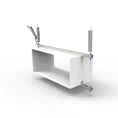


Hey there! As a channel steel base supplier, I've gotten tons of questions about installing these bases on sloped surfaces. It can seem like a real head - scratcher, but don't worry! I'm here to walk you through the whole process step by step.
First things first, why would you even want to install a channel steel base on a sloped surface? Well, there are plenty of reasons. Maybe you're setting up some industrial equipment on a hill, or you're working on a construction project where the ground isn't flat. Whatever the reason, a well - installed channel steel base can provide a stable foundation for your stuff.
Tools and Materials You'll Need
Before you start the installation, you gotta gather all the right tools and materials. Here's what you'll need:
- Channel steel base: Obviously! We offer a variety of options, like the T - shaped Rotating Channel Steel Base, Welding Free Channel Steel Base, and Lightweight Rotating Channel Steel Base. You can choose the one that suits your needs best.
- Measuring tape: To make sure everything is in the right place.
- Level: This is super important for getting a proper slope adjustment.
- Drill and appropriate drill bits: For making holes if needed.
- Bolts, nuts, and washers: To secure the base.
- Safety gear: Gloves, safety glasses, and a hard hat to keep you safe.
Step 1: Site Preparation
The first step is to prepare the site. You need to clear the area of any debris, rocks, or other obstacles. Make sure the surface is clean and free from loose dirt. If there are any large bumps or dips, you might need to use a shovel or a grader to level them out as much as possible.
Next, measure the slope of the surface. You can use a level and a measuring tape to do this. Just place the level on the surface and measure the difference in height over a certain distance. This will give you an idea of how much adjustment you'll need to make with the channel steel base.
Step 2: Selecting the Right Channel Steel Base
As I mentioned earlier, we have different types of channel steel bases. The choice depends on a few factors. If you need a base that can rotate to fit the slope, the T - shaped Rotating Channel Steel Base or Lightweight Rotating Channel Steel Base might be a good option. If you want to avoid welding, go for the Welding Free Channel Steel Base.
Think about the load that the base will need to support. If it's going to hold heavy equipment, you'll need a sturdier base. Also, consider the environment. If it's a corrosive environment, you might need a base with a special coating.
Step 3: Marking the Installation Points
Once you've selected the right base, it's time to mark the installation points on the sloped surface. Place the channel steel base on the surface where you want it to be installed. Use a marker or chalk to mark the holes or the edges of the base. Make sure the base is aligned correctly according to your measurements and the requirements of your project.
Step 4: Drilling Holes (if necessary)
If your channel steel base needs to be bolted down, you'll need to drill holes in the sloped surface. Use the drill and the appropriate drill bits for the type of surface you're working on. For example, if it's concrete, you'll need a masonry drill bit. Make sure the holes are the right size for the bolts you'll be using.
Be careful when drilling on a sloped surface. You might need to use a level to keep the drill straight and avoid drilling at an angle. It's also a good idea to start with a small pilot hole and then enlarge it to the final size.
Step 5: Adjusting the Base for the Slope
One of the most important steps is adjusting the base to fit the slope. If you're using a rotating base, you can simply rotate it to the right angle. Use the level to check if the base is level in the direction that matters for your project.


If you're using a non - rotating base, you might need to use shims or spacers to adjust the height on one side. Place the shims under the base at the appropriate points to make it level. Keep checking with the level until you get the right adjustment.
Step 6: Securing the Base
After adjusting the base, it's time to secure it to the sloped surface. Insert the bolts through the holes in the base and into the holes in the surface. Add washers and nuts on the other side of the bolts and tighten them securely. Make sure the base is firmly attached to the surface and won't move.
If you're using a welding - free base, follow the manufacturer's instructions for securing it. Some welding - free bases use clamps or other fastening methods.
Step 7: Final Checks
Once the base is secured, do a final check. Use the level again to make sure the base is still level and properly adjusted. Check all the bolts and nuts to make sure they're tight. Look for any signs of damage or misalignment.
If everything looks good, you can start installing the equipment or structure on the channel steel base. Make sure to follow the installation instructions for the equipment as well.
Troubleshooting
Sometimes, things don't go as smoothly as planned. Here are some common problems and how to fix them:
- Base not level: If the base isn't level after installation, you might need to loosen the bolts and readjust the shims or the rotation of the base. Check the slope measurements again to make sure you didn't make a mistake.
- Bolts not tightening properly: This could be because the holes are too big or the bolts are the wrong size. Try using a different size of bolts or filling the holes with an appropriate filler and redrilling them.
- Base moving: If the base is moving, it might not be secured tightly enough. Check all the bolts and nuts and tighten them further. You might also need to add more bolts or use a different fastening method.
Conclusion
Installing a channel steel base on a sloped surface isn't as hard as it seems. By following these steps and using the right tools and materials, you can get the job done right. Remember, choosing the right base is crucial, and we have a great selection to meet your needs.
If you're interested in purchasing our channel steel bases or have any questions about the installation process, feel free to reach out to us. We're here to help you with all your channel steel base needs. Whether you're a small - scale DIYer or a large - scale construction company, we've got the products and the expertise to support you.
References
- General knowledge from years of experience as a channel steel base supplier.
- Manufacturer's instructions for various channel steel bases.