


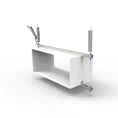


As a dedicated supplier of Edge Pressing Blocks, I've witnessed firsthand the pivotal role these components play in various industrial applications. The efficiency of using an Edge Pressing Block can significantly impact the overall productivity and quality of a manufacturing process. In this blog, I'll share some practical strategies to enhance the efficiency of these essential tools.
Understanding the Edge Pressing Block
Before delving into efficiency - improvement strategies, it's crucial to understand what an Edge Pressing Block is and how it functions. Edge Pressing Blocks are designed to apply pressure along the edges of a workpiece. They are commonly used in industries such as woodworking, metalworking, and plastic processing. These blocks ensure that the workpiece remains stable during cutting, shaping, or other machining operations, preventing movement that could lead to inaccurate results.
Proper Installation and Setup
The first step in improving the efficiency of using an Edge Pressing Block is to ensure proper installation and setup. Incorrect installation can lead to uneven pressure distribution, which may cause damage to the workpiece or the block itself.
- Alignment: Make sure the Edge Pressing Block is precisely aligned with the edge of the workpiece. Use measuring tools such as calipers or laser alignment devices to achieve accurate positioning. Misalignment can result in inconsistent pressure, leading to poor - quality finishes or even workpiece failure.
- Tightening: Secure the Edge Pressing Block firmly in place. However, avoid over - tightening, as this can warp the block or damage the mounting surface. Refer to the manufacturer's guidelines for the recommended torque values. Using a torque wrench can help you achieve the optimal level of tightness.
Material Selection
The choice of material for the Edge Pressing Block can have a significant impact on its efficiency. Different materials offer varying levels of hardness, wear resistance, and friction.


- Hardness: For applications involving hard workpieces, such as metal machining, a harder Edge Pressing Block material is required. Materials like hardened steel or carbide can withstand the high pressures and abrasion associated with these processes. On the other hand, for softer materials like wood or plastic, a less - hard block, such as one made of aluminum or nylon, may be sufficient.
- Wear Resistance: In high - volume production environments, wear resistance is crucial. A wear - resistant Edge Pressing Block will maintain its shape and performance over a longer period, reducing the need for frequent replacements. Materials with high chromium or nickel content often exhibit excellent wear resistance.
- Friction: The friction between the Edge Pressing Block and the workpiece is also an important consideration. Too much friction can cause excessive heat generation, which may damage the workpiece or the block. Conversely, too little friction can result in the workpiece slipping. Select a material with an appropriate coefficient of friction for your specific application.
Regular Maintenance
Regular maintenance is essential for ensuring the long - term efficiency of an Edge Pressing Block.
- Cleaning: Remove any debris, chips, or dust from the Edge Pressing Block after each use. Use a soft brush or compressed air to clean hard - to - reach areas. This helps prevent the build - up of contaminants that can affect the block's performance.
- Inspection: Periodically inspect the Edge Pressing Block for signs of wear, damage, or deformation. Check for cracks, chips, or uneven surfaces. If any issues are detected, replace the block immediately to avoid further problems.
- Lubrication: In some cases, lubrication can improve the efficiency of the Edge Pressing Block. Apply a thin layer of lubricant to the contact surface to reduce friction and wear. However, be careful not to use too much lubricant, as it can attract dirt and debris.
Operator Training
Well - trained operators are key to maximizing the efficiency of using an Edge Pressing Block.
- Function and Operation: Provide comprehensive training on the function and operation of the Edge Pressing Block. Operators should understand how to install, adjust, and remove the block correctly. They should also be aware of the safety precautions associated with its use.
- Troubleshooting: Train operators to identify and troubleshoot common problems with the Edge Pressing Block. This includes issues such as uneven pressure, excessive wear, or block misalignment. By being able to address these problems quickly, operators can minimize downtime and maintain productivity.
Complementary Tools and Accessories
Using complementary tools and accessories can enhance the efficiency of an Edge Pressing Block.
- Medium Pressure Block: Consider using a Medium Pressure Block in conjunction with the Edge Pressing Block. Medium Pressure Blocks can provide additional support and pressure distribution, especially for larger or irregularly shaped workpieces.
- Automation: In some cases, automating the process of using an Edge Pressing Block can improve efficiency. Automated systems can ensure consistent pressure application and reduce the risk of human error. They can also increase the speed of the operation, leading to higher productivity.
Monitoring and Optimization
Continuously monitor the performance of the Edge Pressing Block and look for opportunities to optimize its use.
- Performance Metrics: Establish performance metrics such as pressure consistency, workpiece quality, and block lifespan. Regularly measure and analyze these metrics to identify areas for improvement.
- Feedback Loop: Encourage operators to provide feedback on the performance of the Edge Pressing Block. They may have valuable insights into potential issues or improvements that can be made.
Conclusion
Improving the efficiency of using an Edge Pressing Block requires a comprehensive approach that includes proper installation, material selection, regular maintenance, operator training, and the use of complementary tools. By implementing these strategies, you can enhance the productivity and quality of your manufacturing processes.
If you're interested in learning more about our Edge Pressing Blocks or have any questions regarding their use, we'd love to hear from you. Feel free to reach out to initiate a procurement discussion. We're committed to providing high - quality products and excellent customer service to meet your industrial needs.
References
- "Industrial Pressing Block Handbook" - A comprehensive guide on the use and maintenance of pressing blocks in various industries.
- "Materials Science for Manufacturing" - A textbook that provides in - depth knowledge about material selection for industrial components.