




When it comes to ensuring the safety and stability of various systems in buildings during seismic events, the proper installation and subsequent performance evaluation of seismic support series are of utmost importance. As a supplier of seismic support series, I understand the critical role these products play in safeguarding infrastructure and lives. In this blog post, I will share some key aspects of evaluating the performance of seismic support series after installation.
Initial Visual Inspection
After the seismic support series have been installed, the first step in the evaluation process is a thorough visual inspection. This inspection should cover all components of the seismic supports, including brackets, braces, connectors, and fasteners. Check for any signs of damage, such as cracks, bends, or missing parts. Ensure that all connections are tight and secure, and that the supports are properly aligned with the structural elements they are attached to.
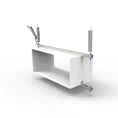
For example, in the case of Longitudinal Seismic Support On The Air Duct Side, visually inspect the brackets that hold the support to the air duct and the building structure. Look for any signs of distortion or loosening. Similarly, for Lateral Seismic Support for Air Ducts, examine the connectors and braces to ensure they are in good condition and properly installed.
Load Testing
Load testing is a crucial step in evaluating the performance of seismic support series. This test involves applying a simulated seismic load to the supports to determine their ability to withstand the forces they are designed for. The load should be applied in accordance with relevant industry standards and design specifications.
There are different methods of load testing, such as static load testing and dynamic load testing. Static load testing involves applying a constant load to the support and measuring its deflection and stress. Dynamic load testing, on the other hand, simulates the actual seismic motion by applying a varying load over time.
For electrical systems, Electrical Lateral Seismic Support needs to be load-tested to ensure it can support the electrical equipment during an earthquake. The load test should consider the weight of the electrical components, as well as the dynamic forces that may be generated during seismic activity.
Monitoring and Data Collection
Once the seismic support series are installed and load-tested, continuous monitoring is essential to evaluate their long-term performance. This can be achieved through the use of sensors and monitoring systems that can measure parameters such as displacement, stress, and vibration.
By collecting data over time, we can detect any changes in the performance of the supports and identify potential issues before they become critical. For example, if the displacement of a support exceeds the acceptable limits, it may indicate that the support is under excessive stress or that there is a problem with its installation.
Comparison with Design Specifications
Another important aspect of evaluating the performance of seismic support series is to compare the actual performance with the design specifications. The design specifications outline the required strength, stiffness, and other performance criteria for the supports.
During the evaluation process, check if the supports are meeting these specifications. If there are any deviations, investigate the cause and take appropriate corrective actions. This may involve adjusting the installation, replacing faulty components, or modifying the design.
Documentation and Record-Keeping
Proper documentation and record-keeping are essential throughout the evaluation process. Keep records of all inspections, load tests, monitoring data, and any corrective actions taken. This documentation serves as a valuable reference for future evaluations and can also be used to demonstrate compliance with relevant regulations and standards.


Environmental Considerations
In addition to the technical aspects of performance evaluation, it is also important to consider the environmental factors that may affect the seismic support series. For example, exposure to moisture, chemicals, or extreme temperatures can cause corrosion or degradation of the support components over time.
Regularly inspect the supports for signs of environmental damage and take appropriate measures to protect them. This may include applying protective coatings, sealing joints, or relocating the supports to a more suitable environment.
Training and Education
Finally, ensure that the personnel involved in the installation, maintenance, and evaluation of the seismic support series are properly trained and educated. They should have a good understanding of the design principles, installation procedures, and evaluation methods for seismic supports.
Providing ongoing training and education can help improve the quality of work and ensure that the seismic support series are installed and maintained correctly. It also helps to keep the personnel up-to-date with the latest industry standards and best practices.
In conclusion, evaluating the performance of seismic support series after installation is a comprehensive process that involves visual inspection, load testing, monitoring, comparison with design specifications, documentation, environmental considerations, and training. By following these steps, we can ensure that the seismic support series are performing effectively and providing the necessary protection for buildings and their occupants during seismic events.
If you are interested in learning more about our seismic support series or would like to discuss your specific requirements, please feel free to contact us for a procurement consultation. We are committed to providing high-quality products and professional services to meet your needs.
References
- Building Seismic Safety Council (BSSC). (Year). Seismic Design Criteria for New Buildings and Other Structures.
- International Building Code (IBC). (Year). International Code Council.
- American Society of Civil Engineers (ASCE). (Year). Minimum Design Loads for Buildings and Other Structures.