


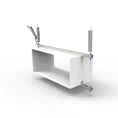


Ensuring the safety of steel buckle plate installation is of paramount importance for any project. As a trusted steel buckle plate supplier, I understand the critical role that proper installation plays in the overall success and safety of a structure. In this blog post, I will share some key insights and best practices on how to ensure the safety of steel buckle plate installation.
Pre - installation Preparation
Before starting the installation of steel buckle plates, thorough preparation is essential. This includes site assessment, material inspection, and equipment readiness.
Site Assessment
A detailed site assessment helps identify potential hazards and determine the most suitable installation methods. Check the surface where the steel buckle plates will be installed. It should be level, clean, and free of debris, oil, or any other contaminants that could affect the adhesion or stability of the plates. For example, if the installation site is outdoors, make sure the ground is well - compacted to prevent settling during and after installation.
Material Inspection
As a supplier, we ensure that all our steel buckle plates meet the highest industry standards. However, it is still crucial for installers to conduct a final inspection upon receipt of the materials. Check for any visible damage such as cracks, dents, or corrosion on the plates. Also, verify that the correct type and规格 of the plates have been delivered according to the project requirements. Incorrect materials can compromise the safety and performance of the entire installation.
Equipment Readiness
Having the right equipment in good working condition is vital. Tools such as drills, screwdrivers, and safety gear like helmets, gloves, and safety glasses should be inspected and maintained regularly. Faulty equipment can lead to installation errors and accidents. For instance, a dull drill bit may cause overheating and irregular hole - making, which can weaken the connection between the steel buckle plates.
Installation Process
The installation process itself is a series of carefully coordinated steps that require precision and attention to detail.
Layout Planning
Before starting to install the steel buckle plates, create a detailed layout plan. This plan should take into account the dimensions of the area, the location of any structural supports, and the pattern in which the plates will be arranged. A well - thought - out layout ensures that the plates fit together properly and that the load is distributed evenly across the structure. For example, in a large - scale industrial building, a grid - like layout may be more suitable for better load - bearing capacity.
Connection and Fixing
Proper connection and fixing of the steel buckle plates are crucial for safety. Use high - quality fasteners that are compatible with the plates. Different types of connectors can be used depending on the application. For example, the Limit Angle Code is a useful accessory that can help ensure the correct angle and alignment between the plates, enhancing the overall stability of the structure. The Double Sided Heavy - duty Right Angle Connector is ideal for creating strong right - angle connections, which are common in many construction projects. And the Metal Double Button Single - sided Connector provides a secure single - sided connection option.
When installing the fasteners, follow the manufacturer's instructions regarding torque values. Over - tightening or under - tightening the fasteners can lead to premature failure of the connection. Use a torque wrench to ensure that the fasteners are tightened to the specified torque.
Lifting and Handling
Steel buckle plates can be heavy and cumbersome, so proper lifting and handling procedures are essential. Use appropriate lifting equipment such as cranes or forklifts, and make sure the operators are trained and certified. When lifting the plates, ensure that the lifting points are properly positioned to prevent the plates from tipping or shifting. Also, use slings or other lifting devices that are in good condition and rated for the weight of the plates.
Quality Control during Installation
Regular quality control checks during the installation process are necessary to catch any potential issues early.
Inspection at Regular Intervals
Conduct inspections at regular intervals throughout the installation. Check the alignment of the plates, the tightness of the fasteners, and the overall integrity of the structure. Look for any signs of misalignment, such as gaps between the plates or uneven surfaces. If any issues are found, they should be addressed immediately to prevent further problems down the line.
Test Loads
In some cases, it may be necessary to apply test loads to the installed steel buckle plates to ensure their load - bearing capacity. This should be done under the supervision of a qualified engineer. The test loads should be within the design limits of the plates, and the structure should be monitored for any signs of excessive deflection or failure during the test.
Post - installation Inspection and Maintenance
Once the installation is complete, a final inspection is required to ensure the long - term safety of the steel buckle plates.
Final Inspection
A comprehensive final inspection should be carried out to verify that the installation meets all the design and safety requirements. This includes checking the overall appearance of the structure, the functionality of all connections, and the compliance with relevant building codes and standards. Provide detailed inspection reports to the client to document the successful completion of the installation.
Maintenance Plan
Establish a maintenance plan for the steel buckle plates. Regular maintenance can prevent corrosion, looseness of fasteners, and other potential problems. Inspect the plates periodically for signs of wear, damage, or corrosion. If any issues are found, perform the necessary repairs or replacements promptly.
Training and Certification
Proper training and certification of the installation team are crucial for ensuring safety. Installers should be trained on the correct installation procedures, the use of equipment, and safety protocols. They should also be certified according to relevant industry standards. A well - trained team is more likely to carry out the installation safely and efficiently, reducing the risk of accidents and installation errors.
Conclusion
Ensuring the safety of steel buckle plate installation requires a comprehensive approach that involves pre - installation preparation, a careful installation process, quality control, post - installation inspection, and maintenance. By following these best practices, we can provide our clients with structures that are not only functional but also safe for long - term use.


As a leading steel buckle plate supplier, we are committed to providing high - quality products and supporting our clients with the knowledge and resources they need for a successful installation. If you are interested in our steel buckle plates or need more information on installation safety, please feel free to contact us for a detailed discussion and procurement negotiation.
References
- Construction Safety Manual: General Industry Guidelines
- Steel Buckle Plate Manufacturer's Installation Instructions
- Building Codes and Standards for Structural Steel Installations