


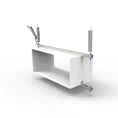


Hey there, folks! As a supplier of pressing blocks, I've been getting a bunch of questions lately about how to control the speed of pressure application in a pressing block. It's a crucial topic, especially for those who rely on these blocks for various industrial and manufacturing processes. So, I thought I'd share some insights and tips on this matter.
First off, let's understand why controlling the pressure application speed is so important. In many applications, applying pressure too quickly can lead to a whole host of issues. For instance, it might cause damage to the material being pressed. If you're dealing with delicate components, a sudden, high - speed pressure application can crack, break, or deform them. On the other hand, applying pressure too slowly can be inefficient, slowing down the entire production process and increasing costs.
One of the most common ways to control the speed of pressure application is through the use of hydraulic systems. Hydraulic systems are widely used in pressing block applications because they offer precise control. In a hydraulic system, the flow rate of the hydraulic fluid directly affects the speed at which the pressing block moves and applies pressure. By adjusting the flow rate, we can easily control the pressure application speed.
To adjust the flow rate in a hydraulic system, we can use flow control valves. These valves are like traffic cops for the hydraulic fluid. They regulate the amount of fluid that can pass through the system at any given time. There are different types of flow control valves, such as fixed flow control valves and adjustable flow control valves.
Fixed flow control valves have a set opening size, which means they allow a specific, unchanging amount of fluid to flow through. These are great for applications where a constant, fixed speed of pressure application is required. For example, if you're using a Medium Pressure Block in a repetitive process where the same pressure and speed settings are needed every time, a fixed flow control valve can do the job.
Adjustable flow control valves, as the name suggests, allow you to change the amount of fluid flow. This gives you more flexibility in controlling the pressure application speed. You can adjust the valve depending on the specific requirements of each job. For instance, if you're using an Edge Pressing Block on different types of materials, you can adjust the valve to apply pressure at different speeds based on the material's properties.
Another method to control the pressure application speed is through the use of pneumatic systems. Pneumatic systems use compressed air to drive the movement of the pressing block. Similar to hydraulic systems, the flow rate of the compressed air determines the speed of the block.
In a pneumatic system, we can use air flow regulators. These regulators work in a similar way to flow control valves in hydraulic systems. They control the amount of air that enters the system, thereby controlling the speed at which the pressing block moves and applies pressure. Pneumatic systems are often preferred for applications where a lighter and more portable pressing solution is needed. They are also generally more cost - effective compared to hydraulic systems.
Apart from the system - level controls, the design of the pressing block itself can also have an impact on the pressure application speed. The shape and size of the pressing surface, for example, can affect how quickly the pressure is distributed. A larger pressing surface might spread the pressure more slowly, while a smaller one can concentrate the pressure more rapidly.
The material of the pressing block also plays a role. Some materials are more rigid and can transfer pressure more quickly, while others are more flexible and might absorb some of the initial force, leading to a slower pressure application. When choosing a pressing block, it's important to consider these factors based on the specific requirements of your application.
Now, let's talk about some practical tips for fine - tuning the pressure application speed. First, always start with a low speed and gradually increase it as you test the process. This way, you can observe how the material responds to the pressure and make adjustments accordingly.
Keep a close eye on the pressure gauge. This will give you real - time information about the pressure being applied. If the pressure is increasing too quickly or too slowly, you can adjust the flow control valve or air regulator immediately.
It's also a good idea to conduct regular maintenance on your pressing system. Over time, components like valves and regulators can wear out, which might affect the accuracy of the pressure application speed control. By keeping your system in good condition, you can ensure consistent and reliable performance.


In addition to these technical aspects, it's important to train your operators properly. They should be familiar with the controls of the pressing system and understand how different settings affect the pressure application speed. A well - trained operator can make quick and accurate adjustments, which is crucial for maintaining high - quality production.
If you're still having trouble controlling the pressure application speed, don't hesitate to reach out to us. As a pressing block supplier, we have a wealth of experience and knowledge in this area. We can provide you with more in - depth advice, recommend the right type of pressing block for your application, and even offer on - site support if needed.
We understand that every customer's needs are unique, and we're committed to helping you find the best solution for your pressing requirements. Whether you're in the automotive industry, electronics manufacturing, or any other field that uses pressing blocks, we're here to assist you.
So, if you're interested in learning more about our pressing blocks or need help with pressure application speed control, feel free to get in touch with us. We're looking forward to starting a conversation and working with you to improve your production processes.
References
- Industrial Hydraulics Handbook
- Pneumatic Systems Design and Application Guide