


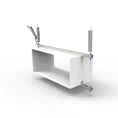


In the field of electrical engineering, cable trays play a crucial role in organizing and supporting electrical cables. Among various types of cable trays, galvanized cable trays are widely used due to their excellent corrosion resistance and durability. One common question that often arises is whether galvanized cable trays require grounding. As a supplier of galvanized cable trays, I will delve into this topic to provide a comprehensive understanding.
Understanding Galvanized Cable Trays
Galvanized cable trays are made of steel that has been coated with a layer of zinc through a galvanization process. This zinc coating provides a protective barrier against corrosion, extending the lifespan of the cable tray and ensuring its reliable performance in various environments. There are different types of galvanized cable trays available in the market, such as Galvanized Ladder Type Cable Tray, Galvanized Tray Type Bridge, and Galvanized Trough Type Cable Tray. Each type has its own unique features and applications, but they all share the common characteristic of being made of galvanized steel.
The Purpose of Grounding
Grounding is an essential safety measure in electrical systems. Its primary purpose is to provide a low - resistance path for electrical current to flow into the earth in the event of a fault, such as a short - circuit. By doing so, grounding helps to prevent electrical shock to personnel and damage to equipment. When an electrical fault occurs, the excess current is diverted to the ground, reducing the risk of fire and other hazards.
Does Galvanized Cable Tray Require Grounding?
The answer is generally yes. Although the galvanized coating on the cable tray provides some level of electrical conductivity, it is not sufficient to ensure proper grounding in all situations. Here are several reasons why grounding galvanized cable trays is necessary:
Electrical Safety
As mentioned earlier, grounding is crucial for electrical safety. In a cable tray system, there is a possibility of electrical faults occurring due to cable insulation breakdown, loose connections, or other issues. If the cable tray is not properly grounded, the fault current may not be able to flow safely to the ground, increasing the risk of electrical shock to anyone who comes into contact with the tray or the cables inside it.
Static Electricity Dissipation
Cables moving through the cable tray can generate static electricity. Static charges can accumulate on the surface of the cable tray, which may cause interference with sensitive electronic equipment or even lead to electrostatic discharge (ESD). Grounding the cable tray helps to dissipate these static charges, preventing potential damage to the cables and connected devices.
Lightning Protection
In outdoor installations, galvanized cable trays are exposed to the risk of lightning strikes. A properly grounded cable tray can act as a conductor to safely divert the lightning current to the ground, protecting the cables and the entire electrical system from damage.
Grounding Requirements and Methods
When it comes to grounding galvanized cable trays, there are specific requirements and methods that need to be followed:
National Electrical Codes
Most countries have national electrical codes that specify the grounding requirements for electrical systems and equipment, including cable trays. These codes provide guidelines on the size of grounding conductors, the connection methods, and the frequency of grounding connections. For example, in the United States, the National Electrical Code (NEC) has detailed regulations regarding grounding in electrical installations.
Grounding Conductors
A suitable grounding conductor should be used to connect the cable tray to the grounding system. The size of the grounding conductor depends on the electrical load and the fault current that the system may experience. Generally, copper or aluminum conductors are commonly used due to their good electrical conductivity.


Connection Methods
The grounding conductor should be securely connected to the cable tray. This can be achieved through various methods, such as using grounding clamps, welding, or bolted connections. The connection points should be clean and free of any paint, rust, or other contaminants to ensure good electrical contact.
Continuous Grounding
The cable tray system should be continuously grounded along its entire length. This means that all sections of the cable tray, including joints and bends, should be properly connected to the grounding conductor. Any breaks in the grounding path can compromise the effectiveness of the grounding system.
Benefits of Properly Grounded Galvanized Cable Trays
Properly grounding galvanized cable trays offers several benefits:
Enhanced Safety
As discussed earlier, grounding reduces the risk of electrical shock and fire, protecting both personnel and equipment. By providing a safe path for fault current, it ensures that the electrical system operates in a reliable and secure manner.
Improved Equipment Performance
Grounding helps to eliminate electrical interference caused by static electricity and electromagnetic fields. This can improve the performance of sensitive electronic equipment connected to the cables in the tray, reducing the likelihood of malfunctions and downtime.
Long - term Reliability
A properly grounded cable tray system is more resistant to corrosion and damage. By preventing the build - up of static charges and ensuring the safe dissipation of fault current, it helps to extend the lifespan of the cable tray and the cables it supports.
Our Role as a Galvanized Cable Tray Supplier
As a supplier of galvanized cable trays, we understand the importance of grounding and are committed to providing our customers with high - quality products and professional advice. We ensure that our cable trays are manufactured to meet the relevant national and international standards, including those related to grounding.
We also offer technical support to our customers, helping them to understand the grounding requirements and providing guidance on the proper installation and grounding of our cable trays. Whether you are installing a small - scale cable tray system in a commercial building or a large - scale industrial installation, our team of experts can assist you in designing a safe and efficient grounding solution.
Conclusion
In conclusion, galvanized cable trays do require grounding. Grounding is essential for electrical safety, static electricity dissipation, and lightning protection. By following the proper grounding requirements and methods, you can ensure the reliable operation of your cable tray system and protect your personnel and equipment from potential electrical hazards.
If you are in the market for high - quality galvanized cable trays and need professional advice on grounding and installation, please feel free to contact us. We look forward to discussing your specific needs and providing you with the best solutions for your electrical projects.
References
- National Electrical Code (NEC)
- International Electrotechnical Commission (IEC) standards related to electrical grounding
- Industry research papers on cable tray grounding and electrical safety