





Do hinges need lubrication? This is a question that often arises in various settings, from household use to industrial applications. As a hinge supplier, I've encountered this query numerous times, and I'm here to shed some light on the matter.
Understanding the Mechanics of Hinges
Hinges are simple yet crucial mechanical devices that allow two objects to pivot relative to each other. They're used in countless applications, including doors, cabinets, gates, and machinery. The primary function of a hinge is to provide smooth and reliable movement while supporting the weight of the objects it connects.
However, over time, hinges can experience wear and tear due to friction, dirt, and corrosion. Friction is the force that opposes the motion between two surfaces in contact. When a hinge moves, the friction between its components can cause them to wear down, leading to a decrease in performance and potentially causing the hinge to fail.
Benefits of Lubricating Hinges
Lubrication is the process of applying a lubricant to the moving parts of a hinge to reduce friction and wear. There are several benefits to lubricating hinges, including:
- Improved smoothness: Lubrication reduces friction, allowing the hinge to move more smoothly and quietly. This can be particularly beneficial in applications where noise is a concern, such as in residential or commercial buildings.
- Extended lifespan: By reducing friction and wear, lubrication can help extend the lifespan of a hinge. This can save you money in the long run by reducing the need for frequent replacements.
- Corrosion protection: Lubricants can also provide a protective barrier against corrosion, which can damage the surface of the hinge and cause it to fail prematurely. This is especially important in applications where the hinge is exposed to moisture or other corrosive elements.
- Enhanced performance: In industrial applications, lubrication can help improve the performance of machinery by reducing downtime and increasing productivity. By ensuring that hinges operate smoothly and efficiently, lubrication can help prevent breakdowns and costly repairs.
Types of Lubricants for Hinges
There are several types of lubricants available for hinges, each with its own unique properties and benefits. The most common types of lubricants include:
- Oil-based lubricants: These lubricants are made from petroleum or synthetic oils and are known for their excellent lubricating properties. They can provide long-lasting protection against friction and wear and are suitable for a wide range of applications. However, oil-based lubricants can attract dirt and dust, which can cause them to become less effective over time.
- Grease-based lubricants: Grease is a thick, viscous lubricant that is made by mixing oil with a thickening agent. Grease-based lubricants are ideal for applications where high loads or slow speeds are involved, as they provide excellent adhesion and can withstand extreme conditions. They also have a longer lifespan than oil-based lubricants and are less likely to attract dirt and dust.
- Dry lubricants: Dry lubricants are made from materials such as graphite or PTFE (polytetrafluoroethylene) and are designed to provide lubrication without leaving a greasy residue. They're ideal for applications where cleanliness is a concern, such as in food processing or medical equipment. Dry lubricants also offer excellent resistance to high temperatures and can provide long-lasting protection against friction and wear.
When to Lubricate Hinges
The frequency of lubrication depends on several factors, including the type of hinge, the application, and the environment in which it operates. In general, it's a good idea to lubricate hinges at least once a year, or more frequently if the hinge is subjected to heavy use or harsh conditions.
- Household hinges: For household hinges, such as those on doors and cabinets, lubrication once a year is usually sufficient. However, if you notice that a hinge is starting to make noise or is becoming difficult to open or close, it may be a sign that it needs to be lubricated.
- Industrial hinges: In industrial applications, hinges may need to be lubricated more frequently, depending on the specific requirements of the machinery. For example, hinges on conveyor belts or heavy machinery may need to be lubricated daily or weekly to ensure smooth operation.
- Outdoor hinges: Hinges that are exposed to the elements, such as those on gates or fences, should be lubricated more frequently to protect them against corrosion. In coastal areas or areas with high humidity, hinges may need to be lubricated every few months.
How to Lubricate Hinges
Lubricating hinges is a simple process that can be done with a few basic tools. Here's a step-by-step guide on how to lubricate hinges:
- Clean the hinge: Before lubricating the hinge, it's important to clean it first to remove any dirt, dust, or debris. You can use a soft brush or a cloth to clean the hinge, or you can use a mild detergent and water if necessary.
- Apply the lubricant: Once the hinge is clean, apply a small amount of lubricant to the moving parts of the hinge. You can use a lubricant spray, a grease gun, or a brush to apply the lubricant, depending on the type of lubricant you're using.
- Work the lubricant in: After applying the lubricant, open and close the hinge several times to work the lubricant into the moving parts. This will help ensure that the lubricant is evenly distributed and provides maximum protection against friction and wear.
- Wipe off any excess lubricant: Once you've worked the lubricant into the hinge, use a clean cloth to wipe off any excess lubricant. This will help prevent the lubricant from attracting dirt and dust and ensure that the hinge operates smoothly.
Our Hinge Products and Lubrication
As a hinge supplier, we offer a wide range of high-quality hinges for various applications. Our hinges are designed to provide smooth and reliable movement and are made from durable materials to ensure long-lasting performance.
We also understand the importance of lubrication in maintaining the performance and lifespan of our hinges. That's why we recommend that our customers lubricate their hinges regularly to keep them operating at their best.
For example, our Hinge A is a versatile hinge that is suitable for a wide range of applications. It's made from high-quality materials and is designed to provide smooth and reliable movement. By lubricating Hinge A regularly, you can ensure that it continues to operate smoothly and efficiently for years to come.
Our Hinge B is another popular product that is known for its durability and performance. It's designed to withstand heavy loads and is suitable for use in industrial applications. Lubricating Hinge B regularly can help prevent wear and tear and ensure that it provides reliable service in even the most demanding environments.
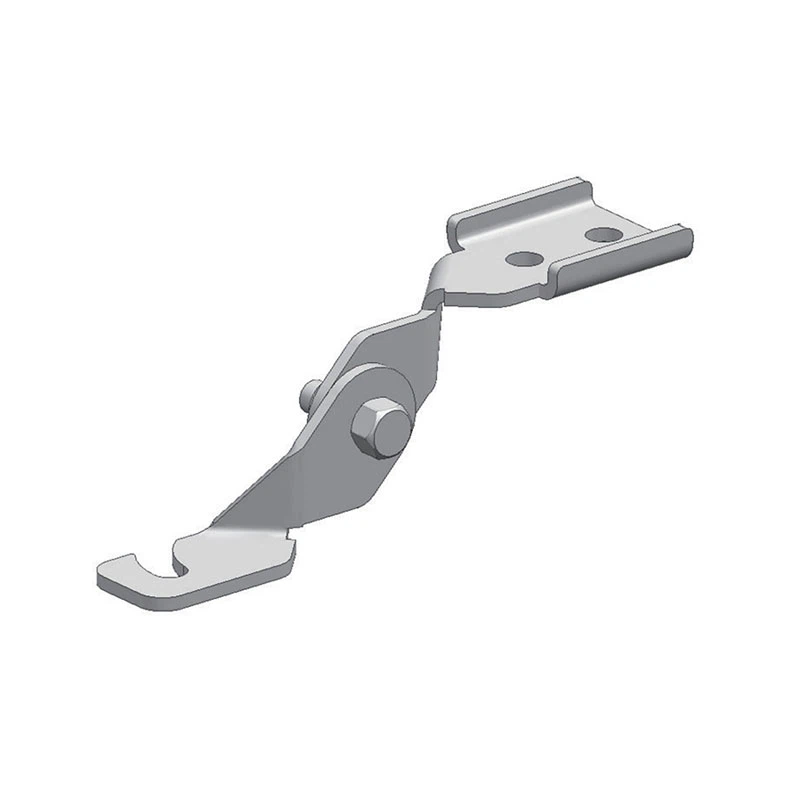

Finally, our Hinge C is a specialized hinge that is designed for use in specific applications. It's made from high-strength materials and is engineered to provide precise movement and excellent stability. By lubricating Hinge C as recommended, you can ensure that it performs at its best and meets your specific requirements.
Conclusion
In conclusion, hinges do need lubrication to ensure smooth and reliable movement, extend their lifespan, and protect them against corrosion. By understanding the benefits of lubrication, choosing the right type of lubricant, and lubricating your hinges regularly, you can keep them operating at their best and save money in the long run.
If you're in the market for high-quality hinges or have any questions about lubrication or hinge maintenance, please don't hesitate to contact us. We're here to help you find the right hinge solutions for your needs and provide you with the support and guidance you need to ensure their optimal performance.
References
- "Hinge Lubrication: A Guide to Keeping Your Hinges in Top Shape." DIY Home Improvement Magazine, Vol. XX, Issue XX, 20XX.
- "The Importance of Lubrication in Industrial Machinery." Industrial Engineering Journal, Vol. XX, Issue XX, 20XX.
- "Choosing the Right Lubricant for Your Hinges." Lubrication Technology Review, Vol. XX, Issue XX, 20XX.