


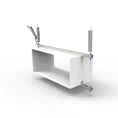


As a supplier of fiberglass cable trays, I've often been asked whether our products are suitable for railway stations. Railway stations are complex environments with unique requirements, and it's crucial to evaluate the feasibility of using fiberglass cable trays in such settings. In this blog post, I'll explore the characteristics of fiberglass cable trays and analyze their applicability in railway stations.
Characteristics of Fiberglass Cable Trays
Fiberglass cable trays are made of fiberglass-reinforced plastic (FRP), which combines the strength of glass fibers with the corrosion resistance of plastic. This material offers several advantages that make it a potential candidate for railway station applications:
1. Corrosion Resistance
One of the most significant benefits of fiberglass cable trays is their excellent corrosion resistance. Railway stations are exposed to various environmental factors, including moisture, chemicals, and pollutants. Over time, these elements can cause metal cable trays to rust and deteriorate, leading to structural damage and safety hazards. Fiberglass cable trays, on the other hand, are highly resistant to corrosion, making them ideal for use in harsh environments.
2. Lightweight
Fiberglass cable trays are much lighter than their metal counterparts. This makes them easier to handle and install, reducing labor costs and installation time. In a railway station, where large quantities of cable trays may be required, the lightweight nature of fiberglass cable trays can be a significant advantage.
3. High Strength
Despite their lightweight, fiberglass cable trays have high strength and can support heavy loads. They are designed to withstand the mechanical stresses associated with cable installation and maintenance, ensuring long-term reliability.
4. Fire Resistance
Fire safety is a critical concern in railway stations. Fiberglass cable trays can be manufactured with fire-resistant properties, meeting the strict fire safety standards required in such environments. They have a low flame spread rate and do not produce toxic fumes when exposed to fire, helping to prevent the spread of fire and protect passengers and equipment.
5. Electrical Insulation
Fiberglass is an excellent electrical insulator, which means that fiberglass cable trays can help prevent electrical interference and short circuits. This is particularly important in railway stations, where a large number of electrical cables are used for signaling, communication, and power distribution.
Suitability for Railway Station Applications
Based on the above characteristics, fiberglass cable trays have several potential applications in railway stations:
1. Cable Management
Railway stations require efficient cable management systems to organize and protect the numerous electrical cables used for various purposes. Fiberglass cable trays can be used to support and route cables, ensuring proper ventilation and easy access for maintenance. They can be installed in different configurations, such as Fiberglass Trough Type Cable Tray, Fiberglass Tray Type Cable Tray, and Fiberglass Ladder Type Cable Tray, to meet the specific requirements of the station.
2. Signaling and Communication Systems
Signaling and communication systems are essential for the safe and efficient operation of railway stations. Fiberglass cable trays can be used to protect and route the cables used in these systems, ensuring reliable communication and signaling. Their electrical insulation properties help prevent interference and ensure the integrity of the signals.
3. Power Distribution
Power distribution is another critical aspect of railway station operations. Fiberglass cable trays can be used to support and route the high-voltage cables used for power supply, reducing the risk of electrical accidents and ensuring the safe distribution of power.
4. Environmental Protection
In addition to their functional advantages, fiberglass cable trays also offer environmental benefits. They are made from recyclable materials, which helps reduce the environmental impact of the station. Their corrosion resistance also means that they have a longer service life, reducing the need for frequent replacements and minimizing waste.


Challenges and Considerations
While fiberglass cable trays offer many advantages for railway station applications, there are also some challenges and considerations that need to be addressed:
1. Cost
Fiberglass cable trays may be more expensive than metal cable trays in some cases. However, the long-term cost savings associated with their corrosion resistance, low maintenance requirements, and long service life should be taken into account. Additionally, the reduced labor costs and installation time can offset the initial higher cost.
2. Compatibility with Existing Systems
When installing fiberglass cable trays in an existing railway station, it's important to ensure compatibility with the existing cable management systems and infrastructure. This may require careful planning and coordination to ensure a seamless integration.
3. Regulatory Requirements
Railway stations are subject to strict regulatory requirements, particularly in terms of fire safety and electrical safety. It's essential to ensure that the fiberglass cable trays meet all the relevant regulatory standards and certifications.
4. Installation and Maintenance
Proper installation and maintenance are crucial for the performance and longevity of fiberglass cable trays. It's important to follow the manufacturer's installation instructions and guidelines and to conduct regular inspections and maintenance to ensure that the cable trays are in good condition.
Conclusion
In conclusion, fiberglass cable trays have significant potential for use in railway stations. Their corrosion resistance, lightweight, high strength, fire resistance, and electrical insulation properties make them suitable for a variety of applications in these complex environments. While there are some challenges and considerations that need to be addressed, the benefits of using fiberglass cable trays outweigh the drawbacks.
As a supplier of fiberglass cable trays, we are committed to providing high-quality products that meet the specific requirements of railway stations. Our team of experts can provide technical support and guidance to help you select the right cable trays for your project and ensure a successful installation. If you are interested in learning more about our fiberglass cable trays or discussing your railway station project, please feel free to contact us for a consultation and procurement discussion.
References
- American Society for Testing and Materials (ASTM). (20XX). Standard specifications for fiberglass-reinforced plastic (FRP) cable trays.
- International Electrotechnical Commission (IEC). (20XX). Standards for electrical installations in railway stations.
- National Fire Protection Association (NFPA). (20XX). Fire safety codes and standards for railway stations.