





Can cable trays be used in wet environments? This is a question that often arises in various industrial and commercial settings. As a cable tray supplier, I have encountered numerous inquiries regarding the suitability of cable trays in wet conditions. In this blog post, I will delve into the topic, exploring the factors to consider and the types of cable trays that are best suited for wet environments.
Understanding the Challenges of Wet Environments
Wet environments pose unique challenges to cable management systems. Moisture can cause corrosion, electrical shorts, and damage to cables and their supporting structures. In addition, the presence of water can increase the risk of slips and falls, making safety a paramount concern. When considering the use of cable trays in wet environments, it is essential to assess the specific conditions and requirements of the application.
Factors to Consider
1. Material Selection
The choice of material for cable trays is crucial in wet environments. Different materials have varying levels of resistance to corrosion and moisture. Some common materials used for cable trays include steel, aluminum, and Polymer Cable Ladder.
- Steel Cable Trays: Steel is a strong and durable material, but it is susceptible to corrosion in wet conditions. However, galvanized steel cable trays are coated with a layer of zinc, which provides a protective barrier against rust and corrosion. Hot-dip galvanized steel cable trays offer even greater corrosion resistance and are suitable for outdoor and highly corrosive environments.
- Aluminum Cable Trays: Aluminum is lightweight and has excellent corrosion resistance. It is a popular choice for wet environments, especially in coastal areas where saltwater exposure is a concern. Aluminum cable trays are also non-magnetic, which can be beneficial in certain applications.
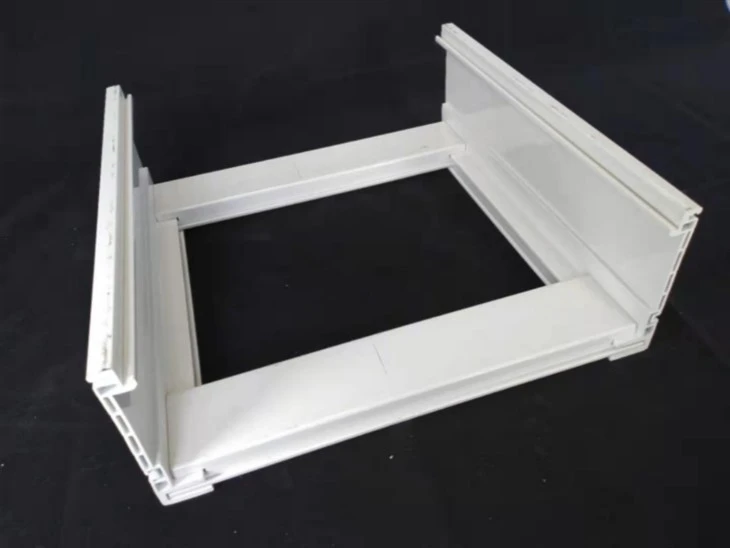
- Polymer Cable Ladder: Polymer cable ladders are made from high-quality plastic materials that are resistant to corrosion, moisture, and chemicals. They are lightweight, easy to install, and offer excellent electrical insulation properties. Polymer cable ladders are ideal for wet environments where corrosion is a major concern, such as wastewater treatment plants and food processing facilities.
2. Design and Construction
The design and construction of cable trays can also affect their performance in wet environments. Cable trays should be designed to allow for proper drainage of water to prevent the accumulation of moisture. Perforated or ventilated cable trays are often preferred in wet environments as they allow water to drain freely and reduce the risk of water pooling.
In addition, cable trays should be installed with proper slope and support to ensure that water flows away from the cables. The use of gaskets and seals can also help to prevent water from entering the cable tray and protecting the cables from moisture damage.
3. Maintenance and Inspection
Regular maintenance and inspection are essential for ensuring the long-term performance of cable trays in wet environments. Cable trays should be inspected periodically for signs of corrosion, damage, or water accumulation. Any damaged or corroded sections of the cable tray should be repaired or replaced promptly to prevent further damage to the cables.
In addition, the cables themselves should be inspected for signs of moisture damage, such as insulation breakdown or corrosion. If necessary, the cables should be dried or replaced to prevent electrical failures.
Types of Cable Trays Suitable for Wet Environments
1. Galvanized Steel Cable Trays
Galvanized steel cable trays are a popular choice for wet environments due to their high strength and corrosion resistance. They are suitable for a wide range of applications, including industrial plants, power stations, and outdoor installations. Galvanized steel cable trays are available in various sizes and configurations to meet the specific requirements of different applications.
2. Aluminum Cable Trays
Aluminum cable trays are lightweight, corrosion-resistant, and easy to install. They are ideal for wet environments where weight is a concern, such as in offshore platforms and high-rise buildings. Aluminum cable trays are also available in a variety of finishes, including anodized and powder-coated, to enhance their appearance and durability.
3. Polymer Cable Ladder
Polymer cable ladders are a versatile and cost-effective solution for wet environments. They are resistant to corrosion, moisture, and chemicals, making them suitable for a wide range of applications, including wastewater treatment plants, food processing facilities, and pharmaceutical laboratories. Polymer cable ladders are available in various sizes and configurations to meet the specific requirements of different applications.
Case Studies
To illustrate the effectiveness of cable trays in wet environments, let's take a look at a few case studies.
Case Study 1: Wastewater Treatment Plant
A wastewater treatment plant was experiencing problems with corrosion and moisture damage to its cable management system. The plant was using traditional steel cable trays, which were quickly corroding due to the high levels of moisture and chemicals in the environment. The plant decided to replace the steel cable trays with Polymer Cable Ladder.
The polymer cable ladders were installed in the plant's wet well and other areas where moisture was a concern. The new cable ladders were resistant to corrosion, moisture, and chemicals, and they provided excellent protection for the cables. Since the installation of the polymer cable ladders, the plant has experienced a significant reduction in cable failures and maintenance costs.
Case Study 2: Coastal Power Station
A coastal power station was facing challenges with corrosion and saltwater damage to its cable management system. The power station was located in a coastal area where saltwater exposure was a major concern. The station was using aluminum cable trays, which were showing signs of corrosion and damage due to the harsh environment.

The power station decided to upgrade its cable management system by installing hot-dip galvanized steel cable trays. The hot-dip galvanized steel cable trays provided superior corrosion resistance and durability, and they were able to withstand the harsh coastal environment. Since the installation of the hot-dip galvanized steel cable trays, the power station has experienced a significant improvement in the reliability of its cable management system.
Conclusion
In conclusion, cable trays can be used in wet environments, but it is essential to choose the right type of cable tray and ensure proper installation and maintenance. The choice of material, design, and construction of the cable tray should be based on the specific conditions and requirements of the application. Galvanized steel cable trays, aluminum cable trays, and Polymer Cable Ladder are all suitable options for wet environments, depending on the level of corrosion and moisture resistance required.
If you are considering using cable trays in a wet environment, I encourage you to contact us to discuss your specific needs and requirements. Our team of experts can help you choose the right type of cable tray and provide you with the support and guidance you need to ensure a successful installation. We are committed to providing high-quality cable management solutions that meet the needs of our customers in even the most challenging environments.
References
- "Cable Tray Installation Guide," National Electrical Manufacturers Association (NEMA).
- "Corrosion Prevention in Cable Management Systems," International Association of Electrical Inspectors (IAEI).
- "Polymer Cable Ladder: A Solution for Wet Environments," Journal of Industrial and Engineering Chemistry Research.