




Can cable trays be used in industrial plants?
As a cable tray supplier, I often encounter inquiries from industrial plant owners and managers about the suitability of cable trays in their facilities. The answer is a resounding yes! Cable trays are not only suitable but also highly beneficial for industrial plants. In this blog post, I will explore the reasons why cable trays are an excellent choice for industrial settings, the different types of cable trays available, and how they can enhance the safety and efficiency of your plant.
Why Cable Trays are Ideal for Industrial Plants
1. Organization and Management of Cables
Industrial plants are typically filled with a vast number of cables for power distribution, control systems, communication, and automation. Without proper organization, these cables can become a tangled mess, making it difficult to identify, maintain, and troubleshoot specific cables. Cable trays provide a structured and organized way to route and support cables, ensuring that they are neatly arranged and easily accessible. This not only improves the aesthetics of the plant but also reduces the risk of cable damage due to improper handling or accidental snagging.
2. Safety
Safety is of utmost importance in industrial plants. Cable trays play a crucial role in enhancing safety by preventing cables from coming into contact with hazardous substances, sharp edges, or moving machinery. They also provide a fire-resistant pathway for cables, reducing the spread of fire in case of an electrical fault. Additionally, cable trays can be designed to meet specific safety standards, such as those related to corrosion resistance, chemical resistance, and explosion protection, depending on the requirements of the industrial environment.
3. Flexibility and Expandability
Industrial plants are dynamic environments that often undergo changes in layout, equipment, and processes. Cable trays offer the flexibility to accommodate these changes easily. They can be easily modified, extended, or reconfigured to adapt to new cable routing requirements without the need for major disruptions to the plant operations. This makes cable trays a cost-effective solution in the long run, as they can be reused and repurposed as the plant evolves.
4. Ventilation and Heat Dissipation
Cables generate heat during operation, and excessive heat can reduce their lifespan and performance. Cable trays allow for proper ventilation around the cables, facilitating heat dissipation and preventing overheating. This helps to maintain the integrity of the cables and ensures their reliable operation over an extended period.

Types of Cable Trays for Industrial Plants
1. Ladder Cable Trays
Ladder cable trays are one of the most commonly used types in industrial plants. They consist of two side rails connected by rungs at regular intervals, resembling a ladder. Ladder cable trays offer excellent support for heavy cables and are suitable for both indoor and outdoor applications. They provide good ventilation and allow for easy access to the cables for maintenance and inspection.
2. Solid Bottom Cable Trays
Solid bottom cable trays have a continuous bottom surface, which provides additional protection for the cables against dust, dirt, and liquids. They are often used in areas where there is a risk of contamination or where the cables need to be shielded from electromagnetic interference. Solid bottom cable trays are also suitable for routing small-diameter cables and fiber optic cables.
3. Wire Mesh Cable Trays
Wire mesh cable trays are made of welded or woven wire mesh, which provides a lightweight and cost-effective solution for cable management. They offer excellent ventilation and are easy to install and modify. Wire mesh cable trays are commonly used in areas where there is a need for flexibility and where the cables need to be visible for inspection.
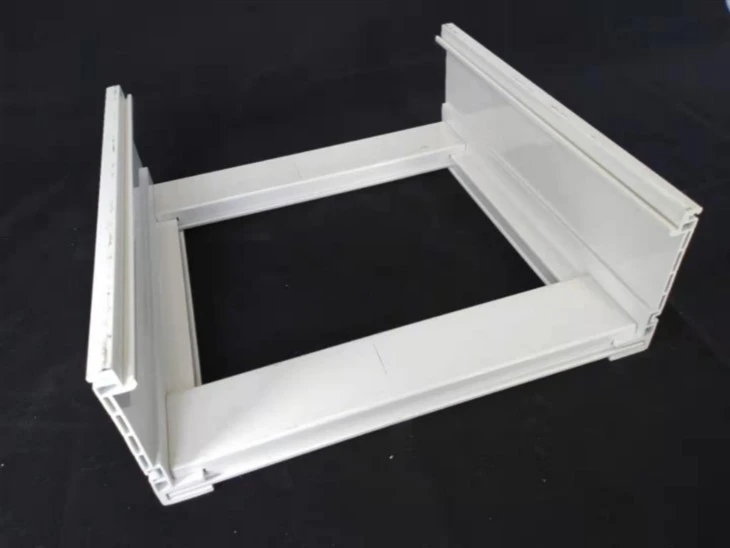
4. Polymer Cable Ladder
Polymer cable ladders, such as the Polymer Cable Ladder, are a relatively new type of cable tray that offers several advantages over traditional metal cable trays. They are lightweight, corrosion-resistant, and non-conductive, making them ideal for use in harsh industrial environments, such as chemical plants, food processing facilities, and offshore platforms. Polymer cable ladders are also easy to install and require minimal maintenance.
Considerations for Choosing Cable Trays in Industrial Plants
1. Load Capacity
The load capacity of the cable tray is an important consideration, as it determines the maximum weight of cables that the tray can support. It is essential to calculate the total weight of the cables that will be installed in the tray, including the weight of future expansions, and choose a cable tray with a sufficient load capacity.
2. Environmental Conditions
Industrial plants can have a wide range of environmental conditions, such as high temperatures, humidity, corrosive chemicals, and exposure to sunlight. It is important to choose a cable tray that is suitable for the specific environmental conditions of the plant. For example, in a corrosive environment, a stainless steel or polymer cable tray may be required, while in a high-temperature environment, a cable tray with good heat resistance may be necessary.
3. Cable Size and Quantity
The size and quantity of the cables that will be installed in the cable tray also need to be considered. The cable tray should have enough space to accommodate the cables without overcrowding, which can lead to poor ventilation and increased heat generation. It is also important to ensure that the cable tray has the appropriate cable support features, such as cable ties or clamps, to prevent the cables from moving or sagging.
4. Installation Requirements
The installation requirements of the cable tray, such as the type of mounting system, the location of the tray, and the access for maintenance, should also be taken into account. The cable tray should be installed in a way that allows for easy access to the cables for inspection, maintenance, and replacement. It is also important to ensure that the installation is in compliance with the relevant safety standards and regulations.
Conclusion
In conclusion, cable trays are an essential component of industrial plants, providing a safe, efficient, and organized way to manage cables. They offer numerous benefits, including cable organization, safety, flexibility, and ventilation, and are available in a variety of types and materials to suit different industrial applications. As a cable tray supplier, I am committed to providing high-quality cable trays that meet the specific needs of industrial plants. If you are considering using cable trays in your industrial plant, I encourage you to contact me to discuss your requirements and explore the best cable tray solutions for your facility. Let's work together to ensure the reliable and efficient operation of your industrial plant.
References
- National Electrical Code (NEC), NFPA 70.
- International Electrotechnical Commission (IEC) standards for cable management systems.
- Manufacturer's specifications and guidelines for cable trays.