


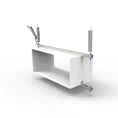


Galvanized cable trays are widely used in electrical installations to support and organize cables. As a supplier of galvanized cable trays, I understand the importance of maintaining these products to ensure their longevity and optimal performance. In this blog post, I will share some valuable insights on how to maintain galvanized cable trays effectively.
Understanding Galvanized Cable Trays
Before delving into maintenance tips, it's essential to understand what galvanized cable trays are. Galvanization is a process of coating steel or iron with a layer of zinc to protect it from corrosion. Galvanized cable trays come in various types, including Galvanized Tray Type Bridge, Galvanized Ladder Type Cable Tray, and Galvanized Trough Type Cable Tray. Each type has its unique features and applications, but they all share the common goal of providing a durable and reliable solution for cable management.
Regular Inspection
Regular inspection is the cornerstone of effective maintenance for galvanized cable trays. By conducting routine checks, you can identify potential issues early on and take appropriate measures to prevent further damage. Here are some key aspects to focus on during inspections:
Visual Inspection
Perform a visual inspection of the cable trays at least once a year, or more frequently in harsh environments. Look for signs of corrosion, such as rust spots, flaking paint, or discoloration. Pay close attention to areas where the zinc coating may have been damaged, such as welds, joints, and edges. If you notice any signs of corrosion, it's important to address them promptly to prevent the spread of rust.
Structural Integrity
Check the structural integrity of the cable trays by examining the supports, brackets, and connections. Look for any signs of bending, warping, or loose components. Ensure that the trays are properly aligned and level, and that they are securely attached to the supports. If you notice any structural issues, it's important to repair or replace the damaged components as soon as possible to prevent the trays from collapsing or causing damage to the cables.
Cable Condition
Inspect the cables inside the trays to ensure that they are in good condition. Look for signs of damage, such as cuts, abrasions, or fraying. Check the cable insulation for any signs of cracking or deterioration. If you notice any issues with the cables, it's important to replace them immediately to prevent electrical hazards.
Cleaning
Regular cleaning is essential to maintain the appearance and functionality of galvanized cable trays. Over time, dirt, dust, and debris can accumulate on the trays, which can affect their performance and reduce their lifespan. Here are some tips for cleaning galvanized cable trays:
Use Mild Detergents
When cleaning galvanized cable trays, it's important to use mild detergents that are specifically designed for use on metal surfaces. Avoid using abrasive cleaners or solvents, as these can damage the zinc coating and cause corrosion. Use a soft brush or cloth to gently scrub the trays, and rinse them thoroughly with clean water.
Remove Stubborn Stains
If you encounter stubborn stains or dirt on the trays, you can use a solution of warm water and mild detergent to soak the affected areas. Let the solution sit for a few minutes, and then scrub the stains with a soft brush or cloth. Rinse the trays thoroughly with clean water to remove any remaining detergent.


Dry the Trays
After cleaning the trays, it's important to dry them thoroughly to prevent the formation of rust. Use a clean, dry cloth to wipe the trays, and allow them to air dry completely before reinstalling the cables.
Protection from the Elements
Galvanized cable trays are designed to withstand a variety of environmental conditions, but they can still be damaged by exposure to extreme temperatures, moisture, and chemicals. Here are some tips for protecting galvanized cable trays from the elements:
Avoid Exposure to Moisture
Moisture is one of the biggest enemies of galvanized cable trays, as it can cause corrosion and rust. To prevent moisture from accumulating on the trays, ensure that they are installed in a dry, well-ventilated area. If the trays are installed in an outdoor environment, consider using a waterproof cover or enclosure to protect them from rain, snow, and other forms of precipitation.
Protect from Chemicals
Galvanized cable trays can be damaged by exposure to certain chemicals, such as acids, alkalis, and solvents. If the trays are installed in an environment where they may be exposed to chemicals, it's important to take appropriate measures to protect them. This may include using a chemical-resistant coating or enclosure, or avoiding the use of chemicals in the vicinity of the trays.
Protect from Extreme Temperatures
Extreme temperatures can also affect the performance and lifespan of galvanized cable trays. In hot environments, the trays may expand, which can cause them to warp or bend. In cold environments, the trays may contract, which can cause them to crack or break. To protect the trays from extreme temperatures, ensure that they are installed in an environment where the temperature remains relatively stable. If the trays are installed in an outdoor environment, consider using a thermal insulation material to protect them from the sun's heat.
Repairs and Replacements
Despite your best efforts to maintain galvanized cable trays, they may still require repairs or replacements over time. Here are some tips for repairing and replacing galvanized cable trays:
Minor Repairs
If you notice minor damage to the cable trays, such as a small scratch or dent, you can usually repair them yourself. Use a zinc-rich paint or coating to touch up the damaged area, and allow it to dry completely before reinstalling the cables.
Major Repairs
If you notice major damage to the cable trays, such as a large crack or hole, it's important to have them repaired by a professional. A professional repair technician will have the tools and expertise to repair the trays safely and effectively, and will ensure that they meet all relevant safety standards.
Replacements
If the cable trays are severely damaged or have reached the end of their lifespan, it's important to replace them. When replacing the trays, it's important to choose a high-quality product that is designed to meet your specific needs and requirements. As a supplier of galvanized cable trays, I can provide you with a wide range of options to choose from, and can help you select the right product for your application.
Conclusion
Maintaining galvanized cable trays is essential to ensure their longevity and optimal performance. By following the tips outlined in this blog post, you can keep your cable trays in good condition and prevent costly repairs and replacements. If you have any questions or need further assistance with maintaining your galvanized cable trays, please don't hesitate to contact me. I would be happy to help you with your cable management needs.
References
- American Galvanizers Association. (n.d.). Galvanizing 101. Retrieved from https://www.galvanizeit.org/
- National Electrical Manufacturers Association. (n.d.). Standard for Metal Cable Trays. Retrieved from https://www.nema.org/