


Hey there! As a supplier of spray coated cable trays, I often get asked about how the spray coating works to prevent rust on these trays. Well, let's dive right into it and break down the science behind this amazing protective feature.
First off, let's understand what rust is. Rust is basically the oxidation of iron or steel. When these metals come into contact with oxygen and moisture, a chemical reaction occurs, forming iron oxide – that reddish - brown stuff we all know as rust. Rust can be a real pain in cable trays because it weakens the structure, shortens the lifespan, and can even cause safety hazards.
So, how does spray coating step in to save the day?
The Barrier Effect
The most straightforward way spray coating prevents rust is by creating a physical barrier between the metal of the cable tray and the surrounding environment. The spray coating acts like a shield, keeping oxygen and moisture from reaching the metal surface. Think of it as a waterproof jacket for your cable tray. When you put on a good quality waterproof jacket, it stops the rain from getting to your clothes. Similarly, the spray coating stops the oxygen and water from getting to the metal of the cable tray.
Our Sprayed Ladder Type Cable Tray benefits greatly from this barrier effect. The ladder - type design is often used in industrial settings where there's a lot of dust, moisture, and sometimes even chemicals in the air. The spray coating on these trays forms a tight seal around the metal, protecting it from all these potential rust - causing agents.

Corrosion Inhibitors
Many spray coatings for cable trays also contain corrosion inhibitors. These are special chemicals that are added to the coating to slow down or prevent the corrosion process. Corrosion inhibitors work in a few different ways. Some of them react with the metal surface to form a thin, protective layer. This layer is much more resistant to oxidation than the bare metal.
Others work by changing the chemistry of the environment around the metal. For example, they can reduce the acidity of the moisture that might be present on the surface of the cable tray. Since rusting is an oxidation reaction that is often accelerated in acidic conditions, reducing the acidity helps to slow down the rusting process.
Our Spray Tray Type Cable Tray uses a spray coating with high - quality corrosion inhibitors. These trays are commonly used in commercial buildings, where they may be exposed to different levels of humidity. The corrosion inhibitors in the spray coating ensure that even in slightly damp conditions, the metal remains protected from rust.
Adhesion and Durability
A good spray coating needs to adhere well to the metal surface of the cable tray. If the coating doesn't stick properly, it can peel off, leaving the metal exposed to rust. Our spray coating process is designed to ensure excellent adhesion. We first clean the metal surface thoroughly to remove any dirt, grease, or oxide layers. Then, we apply the spray coating under carefully controlled conditions.
The durability of the spray coating is also crucial. Cable trays are often installed in areas where they can be bumped, scratched, or exposed to mechanical stress. A durable spray coating can withstand these kinds of impacts without losing its protective properties.
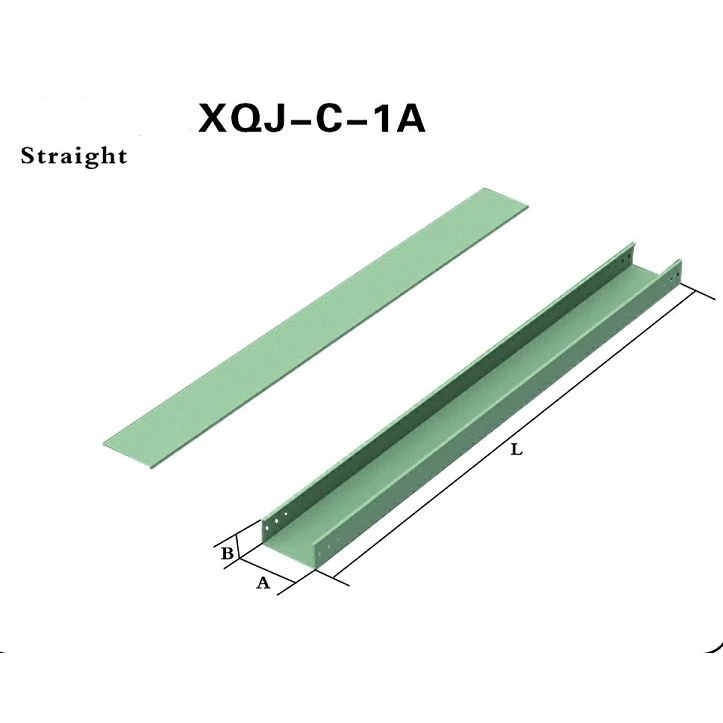
Take our Spray Molded Trough Type Cable Tray for example. These trays are used to carry a large number of cables, and they may be moved around during installation or maintenance. The spray coating on these trays is tough enough to resist minor scratches and abrasions, keeping the metal protected for a long time.
Environmental Resistance
Another important aspect of how spray coating prevents rust is its ability to resist different environmental conditions. Cable trays can be installed in a wide range of environments, from hot and humid tropical areas to cold and dry arctic regions. The spray coating needs to be able to perform well in all these conditions.
In hot and humid environments, the spray coating needs to be able to withstand high levels of moisture without breaking down. It also needs to be resistant to the growth of mold and mildew, which can also damage the metal over time. In cold environments, the coating needs to be flexible enough not to crack when the temperature drops.
Our spray coatings are formulated to be highly resistant to different environmental conditions. Whether it's the sweltering heat of a desert or the freezing cold of a mountainous area, our spray coated cable trays can keep the metal safe from rust.
Cost - Effectiveness
Preventing rust on cable trays through spray coating is also a cost - effective solution. When you consider the cost of replacing rusted cable trays, the cost of downtime due to maintenance, and the potential safety risks associated with rusted trays, the initial investment in spray coated cable trays makes a lot of sense.
Spray coating is a relatively inexpensive process compared to other methods of rust prevention, such as galvanizing. And since the spray coating can extend the lifespan of the cable tray significantly, you'll save money in the long run.
Conclusion
In conclusion, spray coating is an excellent way to prevent rust on cable trays. Through the barrier effect, the use of corrosion inhibitors, good adhesion and durability, environmental resistance, and cost - effectiveness, spray coated cable trays offer a reliable and long - lasting solution for protecting your cables and ensuring the safety of your electrical systems.
If you're in the market for high - quality spray coated cable trays, don't hesitate to reach out. We're here to provide you with the best products and solutions for your specific needs. Whether you need a Sprayed Ladder Type Cable Tray, a Spray Tray Type Cable Tray, or a Spray Molded Trough Type Cable Tray, we've got you covered. Let's start a conversation about your cable tray requirements and see how we can help you.
References
- Jones, D. A. (1992). Principles and Prevention of Corrosion. Macmillan Publishing Company.
- Uhlig, H. H., & Revie, R. W. (1985). Corrosion and Corrosion Control: An Introduction to Corrosion Science and Engineering. Wiley - Interscience.